Underground utility construction is a critical component of modern infrastructure, supporting everything from water and sewer systems to electrical and telecommunication networks. Proper maintenance is essential to ensure safety, reduce project delays, and protect investments. For contractors, municipalities, and commercial property owners in Arkansas, following essential maintenance practices helps extend the life of infrastructure, improve job site safety, and maintain reliable service.
Routine Inspections and Monitoring
One of the most important maintenance practices is routine inspections. Regularly checking pipelines, conduits, and other underground utilities allows crews to identify early signs of damage, corrosion, or wear before they escalate into costly problems. Inspection techniques may include visual assessments, pressure testing, and the use of sensors or CCTV cameras to monitor internal conditions.
By integrating regular monitoring into project schedules, crews can proactively address potential issues and prevent disruptions to service. Consistent inspections also ensure compliance with local regulations and industry standards, which is critical for municipalities and commercial operators alike.
Proper Cleaning and Preventive Measures
Underground utility systems are prone to buildup, blockages, and corrosion if left untreated. Preventive maintenance measures, such as cleaning pipes, flushing sewer lines, or applying protective coatings, can significantly improve system longevity. For water and wastewater systems, techniques like hydro jetting or mechanical cleaning remove sediment and debris efficiently.
Preventive maintenance not only reduces the likelihood of emergency repairs but also improves operational efficiency. Well-maintained utilities operate at optimal performance, reducing energy use, water loss, and wear on associated equipment.
Protecting Utilities During Construction
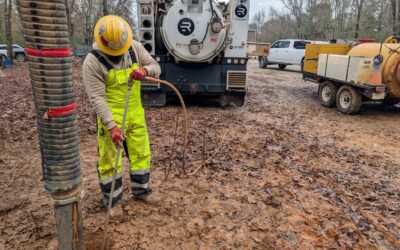
Construction activities can pose risks to existing underground utilities, making site preparation and ongoing protection essential. Accurate utility locating Arkansas services ensure that all lines are identified before excavation begins. Once utilities are located, crews should implement safety measures, including marking lines clearly, using non-destructive digging methods like hydrovac, and establishing controlled access zones around sensitive areas.
These precautions help minimize accidental strikes, which can lead to service interruptions, costly repairs, and safety hazards. Proper planning and protective measures create a safer work environment for crews and protect infrastructure for the long term.
Maintenance of Equipment and Materials
Equipment used in underground utility construction, such as pumps, excavation machinery, and monitoring devices, also requires regular maintenance. Keeping machinery in top condition ensures project efficiency, reduces breakdowns, and maintains worker safety. Crews should follow manufacturer-recommended schedules for lubrication, inspections, and part replacement.
Materials used in utility construction, including pipes, valves, and fittings, should also be regularly assessed. Corrosion, cracks, or defects can compromise system integrity and lead to premature failures. Implementing a robust maintenance schedule for both equipment and materials supports reliable project outcomes and extends system lifespan.
Training and Safety Protocols
A key component of underground utility maintenance is ensuring that crews are trained in proper safety protocols. Workers should understand excavation best practices, hazard recognition, and emergency response procedures. Ongoing training reinforces safe behaviors, reduces job site accidents, and ensures compliance with OSHA and local safety regulations.
Long-Term Benefits
Adhering to essential maintenance practices provides long-term benefits for both contractors and clients. These include reduced emergency repair costs, longer lifespan of utility systems, safer job sites, and more predictable project schedules. Maintaining underground utilities properly also enhances public trust and ensures uninterrupted service for communities and businesses.
Randy Carter Construction works with clients across Arkansas to implement maintenance programs for underground utility construction. Our team combines accurate utility locating, careful site preparation, and consistent monitoring to protect infrastructure, improve safety, and ensure long-term performance.
Contact Randy Carter Construction today to learn how our team can help you maintain your underground utility systems efficiently and safely. Protect your investments, reduce risks, and keep your projects running smoothly.