Latest Article
Concrete Scanning Before Drilling: Why Subsurface Detection Matters
Drilling into an existing concrete slab or structure may seem straightforward from the surface, but there can be a lot more hidden beneath it than a construction crew can see. Reinforcing steel, electrical conduit, post-tensioning cables, plumbing, and other embedded components can all be concealed within concrete. Without knowing where these features are located, drilling or coring can result in structural damage, utility strikes, expensive repairs, or an unexpected interruption to the project.
That is why concrete scanning services are an important part of planning commercial construction, renovation, and maintenance work. Scanning provides contractors with additional information about what is inside the concrete before intrusive work begins. For property owners, developers, and construction teams, that information can help improve decision making, protect existing infrastructure, and reduce unnecessary project risk.
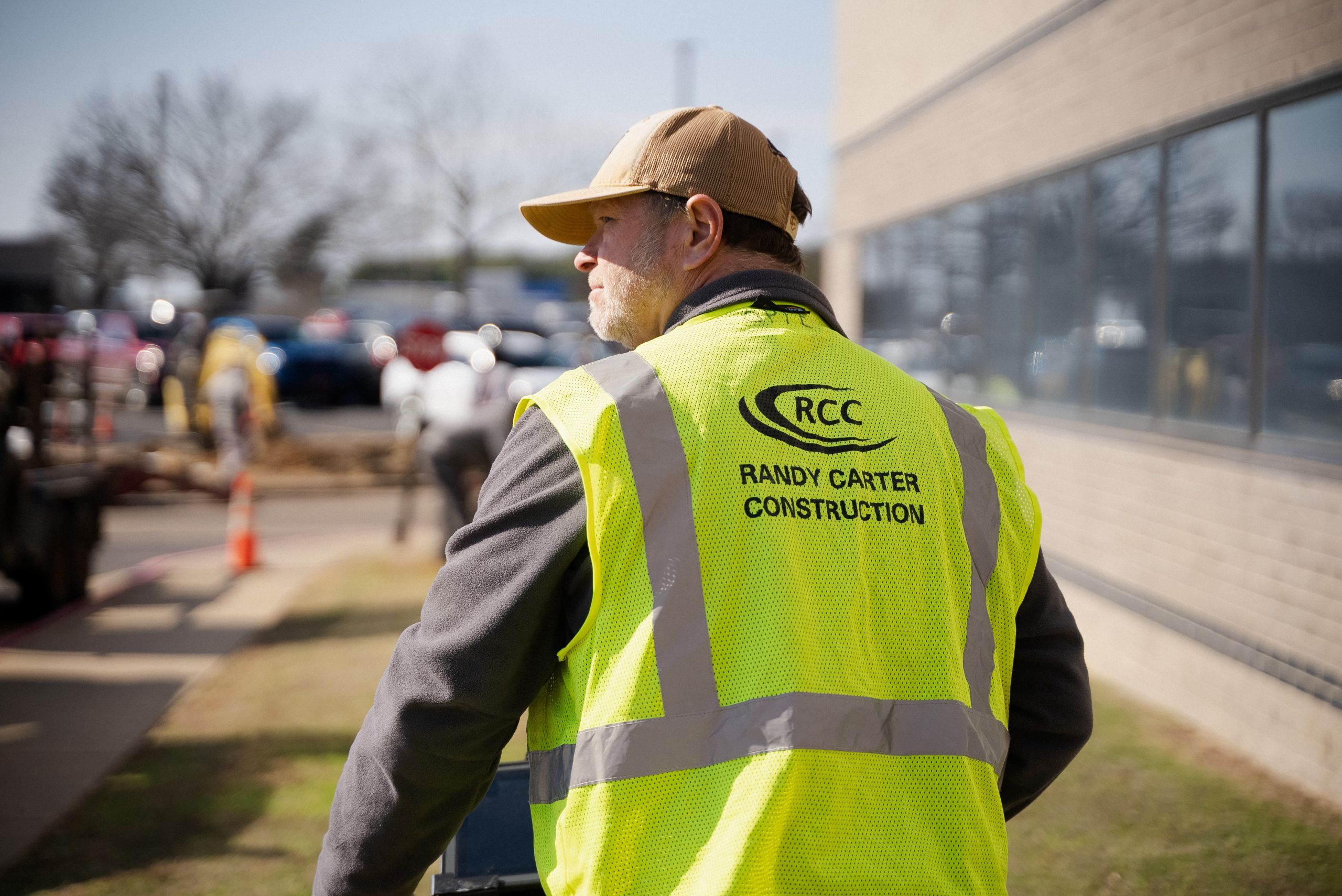
The Role of Concrete Scanning in Commercial Construction Projects
Commercial construction often involves much more than what can be seen on the surface. Beneath concrete floors, slabs, walls, and foundations can be a network of reinforcing steel, post-tensioning components, electrical conduit, plumbing, and other embedded features. When contractors need to drill, core, cut, anchor, or modify an existing concrete structure, understanding what lies inside that material is essential.
This is where concrete scanning services become an important part of commercial construction planning. By using subsurface detection technology before intrusive work begins, contractors can gain a clearer understanding of what is embedded in concrete and make better decisions about where and how work should be performed. For commercial property owners, developers, general contractors, and facility managers, that added information can help reduce unnecessary risk, protect existing structures, and prevent avoidable project delays.
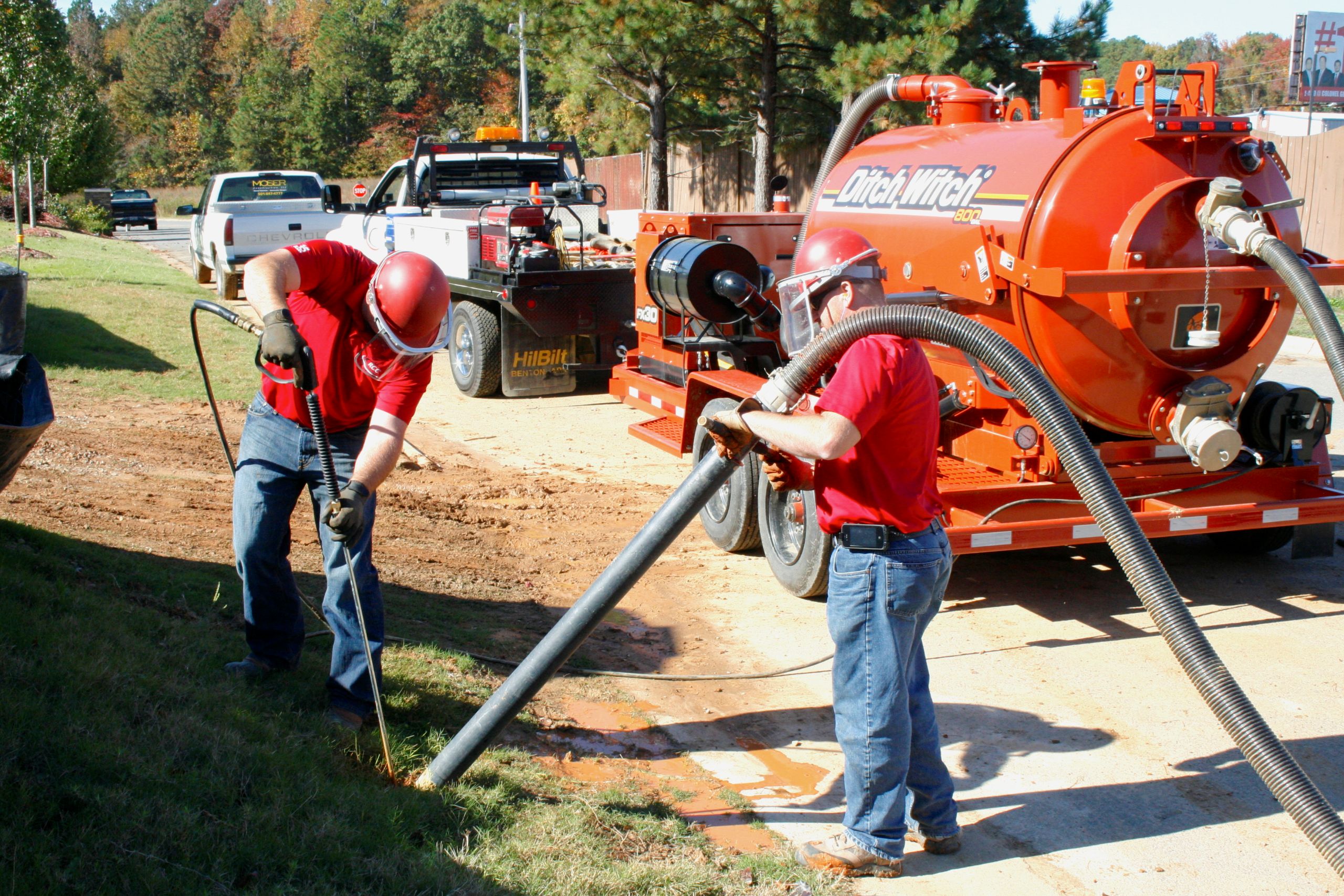
How Hydrovac Supports Emergency Utility Repairs
Emergency Repairs Require Accurate Access to Underground Utilities...
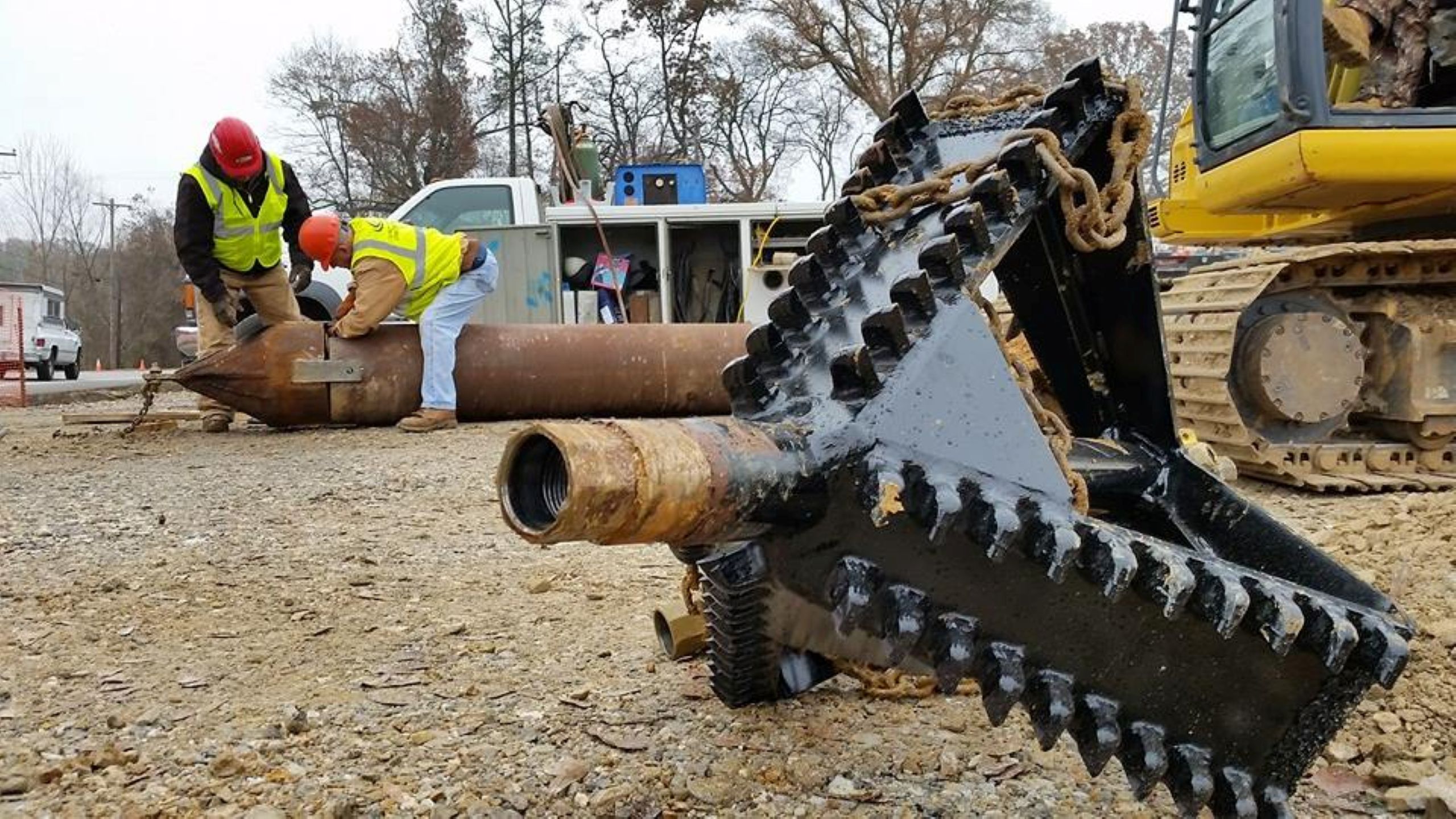
Choosing the Right Boring Contractor for Your Next Project
Underground utility projects require careful planning long before drilling equipment arrives on site. Whether a project involves installing new utility lines beneath a roadway, crossing a developed property, or connecting infrastructure in a growing community, the contractor selected for the work can have a significant impact on the project’s safety, schedule, and overall cost.
Finding the right boring contractor involves more than choosing a company with the necessary equipment. Underground construction requires an understanding of site conditions, existing utilities, drilling methods, project coordination, and the challenges that can arise once work moves below the surface. For contractors, developers, municipalities, and utility providers, choosing an experienced partner can help prevent unnecessary delays and keep complex projects moving forward.
With searches for boring contractors near me and boring companies near me becoming increasingly common, it is important to understand what separates an experienced underground construction contractor from a company that may not have the capabilities required for a particular project.
Ready to Break Ground?
Let’s Build It Together
Schedule Your Project
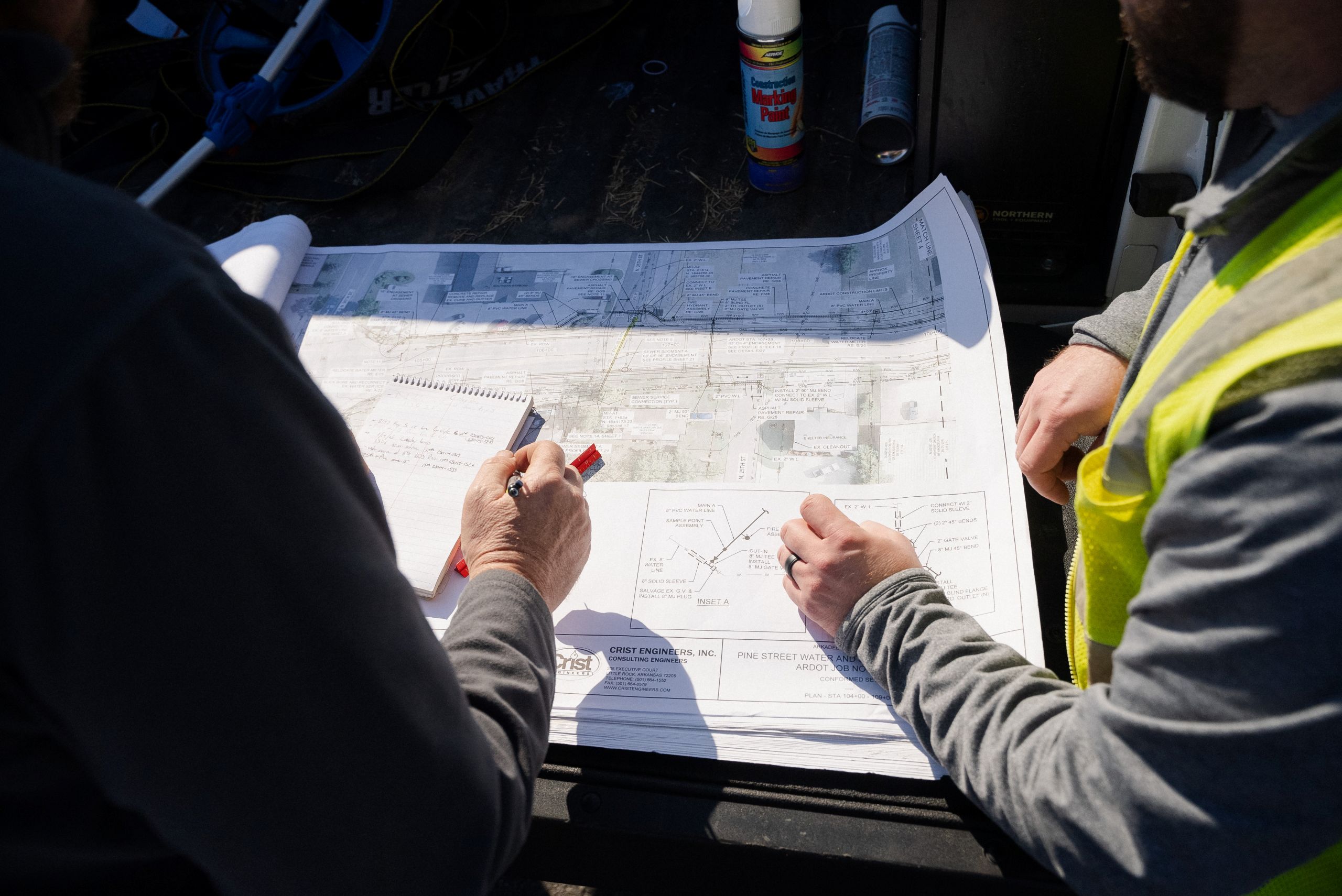
Every project follows a structured process to ensure efficiency and safety. It begins with site inspection, followed by utility locating to identify underground infrastructure. Planning outlines timelines, permits, and logistics before installation begins. After completion, a final inspection ensures quality and compliance.
Timelines vary depending on project size and conditions, while permits are typically coordinated during planning. Proper site preparation ensures safe and efficient execution from start to finish.
Our Partners