Summer construction in Arkansas presents a unique set of challenges for crews working on underground utility projects. Cold temperatures, frozen ground, and limited daylight hours can increase the risk of accidents, slow down project timelines, and make traditional excavation methods more hazardous. Hydrovac excavation offers a safer and more efficient alternative, allowing contractors to complete projects while reducing risk to workers, equipment, and existing utilities
What Is Hydrovac Excavation?
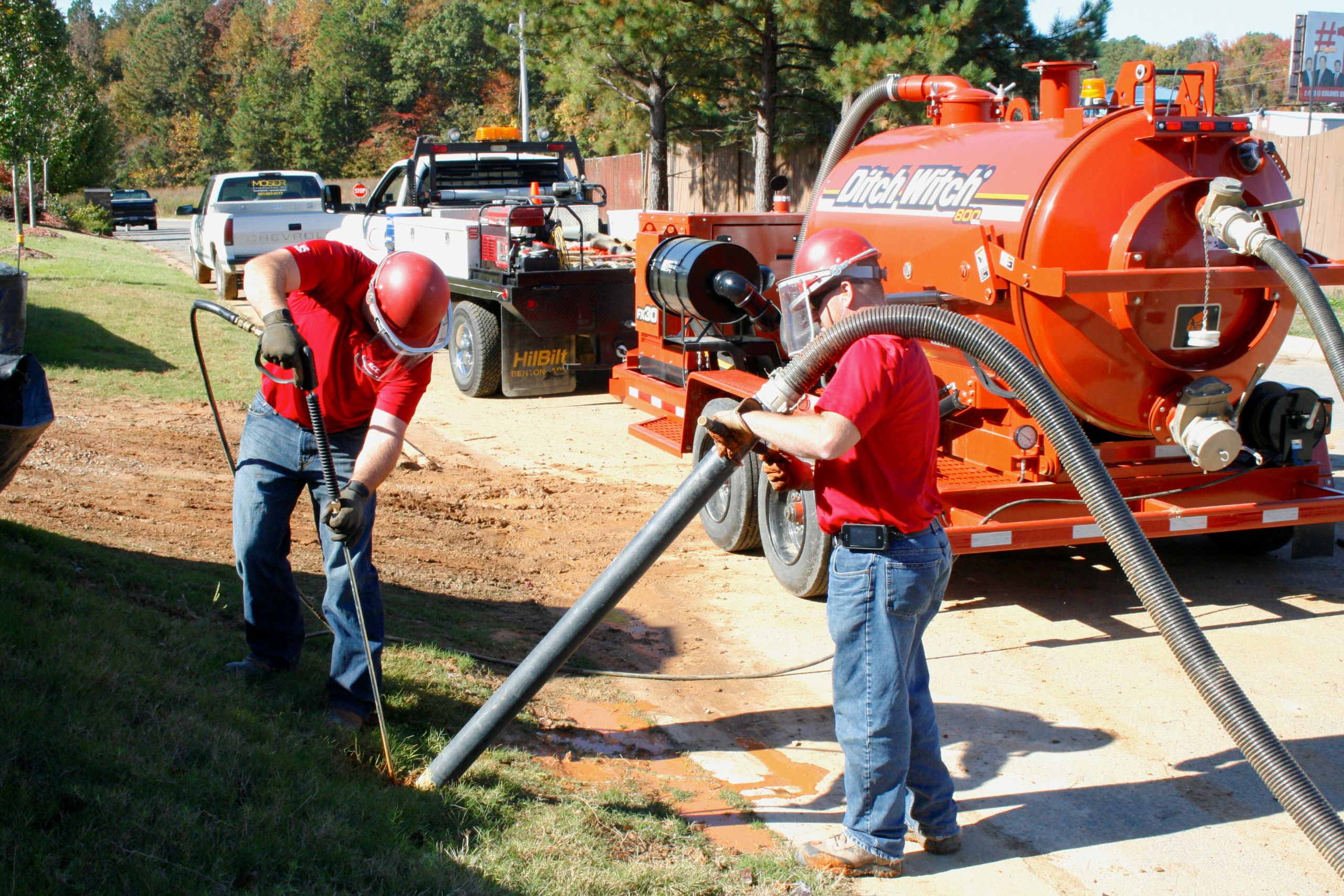
Hydrovac excavation is a non-destructive digging method that uses pressurized water to break up soil, followed by a powerful vacuum to remove the slurry from the site. Unlike traditional mechanical digging, which relies on heavy machinery and can easily damage underground infrastructure, hydrovac provides precise control, minimizing the risk of utility strikes.
For summer projects, hydrovac excavation is particularly valuable. Frozen or compacted soil can make standard digging more difficult, requiring additional manpower and equipment that may still cause unintended damage. With hydrovac, crews can safely expose utilities without putting workers or existing infrastructure at risk.
Benefits for Summer Utility Projects
Hydrovac excavation offers several benefits that make it essential for safe summer utility projects:
- Non-destructive digging – The use of water and vacuum prevents accidental damage to existing utility lines.
- Accurate utility exposure – Crews can clearly see pipes, conduits, and cables before performing additional work.
- Reduced project delays – Faster excavation means that timelines are less impacted by cold weather conditions.
- Enhanced worker safety – Hydrovac minimizes manual labor in hazardous conditions, reducing the likelihood of injuries.
- Versatility in frozen soil – Water pressure can break through compacted soil, which traditional machinery may struggle with.
By integrating hydrovac excavation into summer projects, contractors can reduce risk, improve efficiency, and maintain safer work conditions for their crews.
Supporting Safe Underground Utility Construction
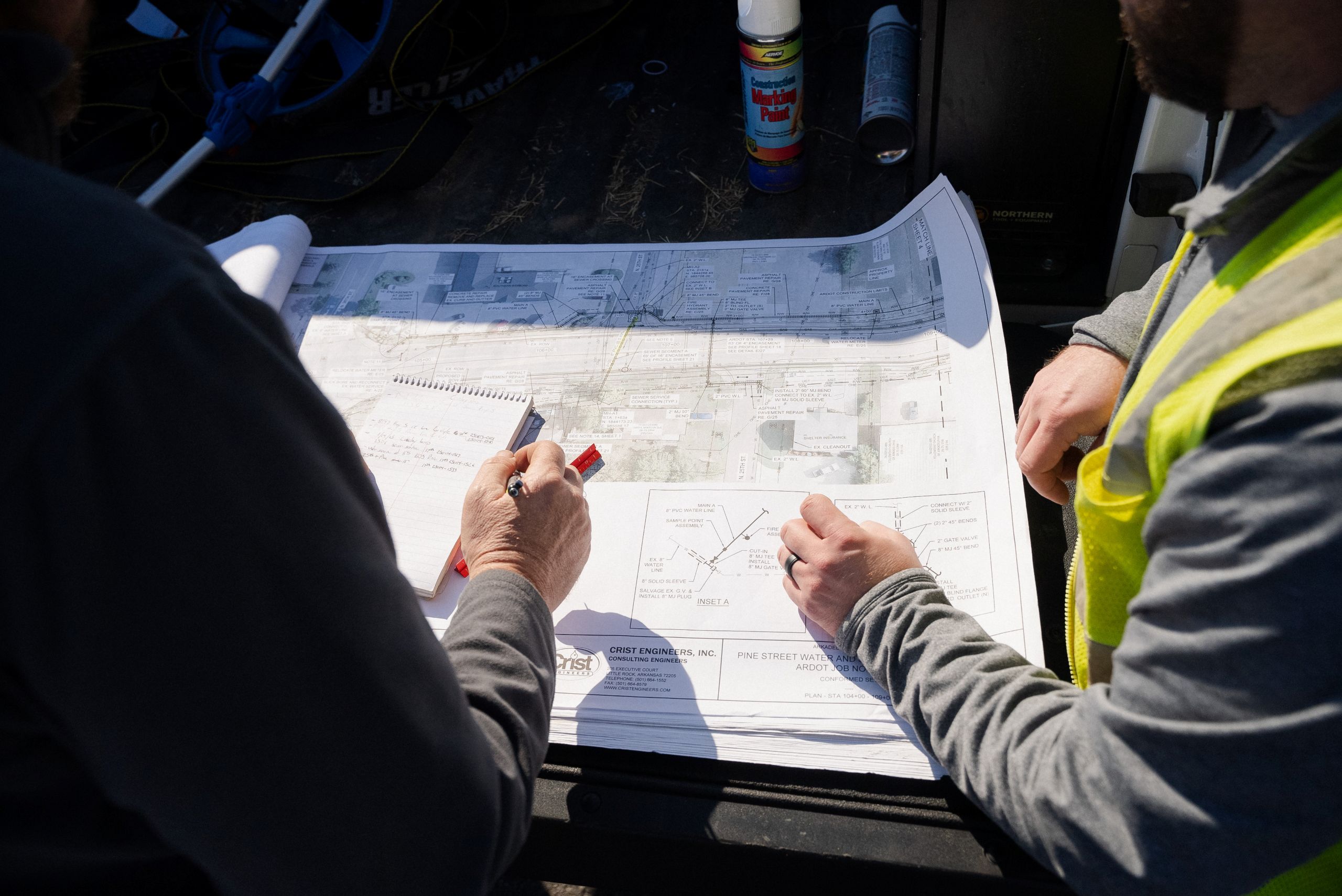
Safety is the top priority on any underground utility construction project, and hydrovac excavation directly supports this goal. Accurate utility locating prior to excavation is critical, but even with precise maps, frozen ground and poor visibility can make traditional digging methods dangerous. Hydrovac allows crews to safely uncover lines while preserving their integrity, preventing service interruptions, costly repairs, and safety incidents.
Utility site preparation during Summer requires attention to detail. Contractors must coordinate schedules, verify line locations, and establish clear communication among all team members. Hydrovac excavation complements these practices by providing a method that aligns with safety protocols, ensuring that workers can perform their jobs confidently and effectively even in harsh conditions.
Planning and Efficiency Considerations
Early planning is essential for any utility project. Hydrovac excavation can be integrated into project workflows to enhance efficiency. By using hydrovac to expose critical areas before traditional excavation or directional boring begins, crews can reduce downtime and anticipate potential conflicts with existing infrastructure.
Additionally, summer projects often have compressed schedules due to limited daylight hours. Hydrovac excavation allows for quicker exposure of utilities, giving crews more time to complete essential work safely. This speed and precision are especially valuable for municipal projects or commercial sites where delays can have significant impacts on operations and budgets.
Why Contractors Should Invest in Hydrovac Services
Investing in hydrovac excavation demonstrates a commitment to safety, efficiency, and quality. Contractors using hydrovac for summer utility projects benefit from fewer accidents, reduced repair costs, and smoother project execution. For clients and municipalities, it ensures that projects are completed on time and with minimal disruption to surrounding areas.
Randy Carter Construction in Arkansas provides professional hydrovac excavation services designed to support safe underground utility construction throughout the summer. Our experienced crews combine precise locating, careful planning, and hydrovac technology to protect utilities, crews, and project timelines.
Contact Randy Carter Construction today to learn how hydrovac excavation can improve safety and efficiency on your utility projects. Protect your crew, safeguard infrastructure, and complete your projects on schedule with expert support.