Safety and efficiency are constant concerns on underground construction projects. Whether crews are working around municipal utilities, commercial developments, or industrial infrastructure, even one damaged line can create expensive setbacks. That’s a big reason more contractors across Arkansas are turning to Hydrovac Excavation as a safer and more controlled alternative to traditional digging.
Instead of relying on aggressive mechanical excavation, this process uses pressurized water and a powerful vacuum system to remove soil with precision. It’s cleaner, less invasive, and honestly a lot easier to control when crews are working around sensitive underground infrastructure. For contractors trying to reduce delays and avoid utility strikes, that precision matters quite a bit.
What Is Hydrovac Excavation?
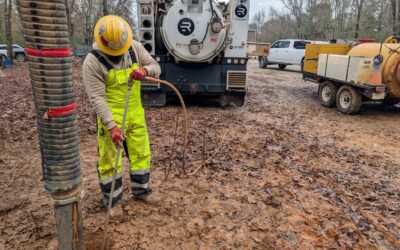
Hydrovac excavation is a non-destructive digging method that uses high-pressure water to break apart soil while a vacuum system removes the debris into a containment tank. The process allows crews to safely expose buried utilities, pipelines, and conduits without damaging nearby infrastructure.
This method is especially useful in areas with congested underground utility networks or incomplete records. Even after utility locating services are performed, actual field conditions do not always match existing maps. Some lines may be deeper than expected, while others are simply not where they should be. It happens more often than people think.
Compared to conventional digging methods, hydro excavation offers several advantages:
- Reduced risk of utility strikes
- More accurate soil removal
- Less disruption to surrounding surfaces
- Safer excavation near sensitive infrastructure
- Faster utility verification before drilling or construction
That added control can make a huge difference on active construction sites where delays quickly become costly.
Improving Job Site Safety
One of the main reasons contractors use hydrovac excavation is to improve safety during underground work. Traditional excavation equipment can accidentally strike gas lines, electrical conduits, communication cables, or water systems. Those incidents can lead to injuries, outages, environmental issues, and expensive repairs that nobody wants to deal with halfway through a project.
By replacing mechanical digging with controlled soil removal, crews can expose underground utilities gradually and inspect conditions before moving forward. It may feel slower at first in some situations, but it often prevents larger disruptions later on.
Some of the biggest safety benefits include:
- Lower risk of damaging buried utilities
- Reduced the chances of worker injuries from utility strikes
- Better visibility of underground conditions
- Safer excavation in confined or high-traffic areas
- Improved compliance with excavation safety standards
When paired with utility locating and proper site planning, hydrovac excavation becomes an important part of safer trenchless construction practices.
Why Contractors Use Hydrovac for Better Efficiency
Safety is important, obviously, but efficiency keeps projects moving. One overlooked utility strike can stop work for hours or even days. Hydro excavation helps crews avoid those interruptions by exposing underground infrastructure quickly and carefully before major construction begins.
This is especially valuable on projects involving directional boring or horizontal directional drilling. Before drilling operations start, crews need to confirm the exact location and depth of existing utility lines. Hydrovac methods make potholing and daylighting faster, more accurate, and less disruptive to the surrounding area.
Efficiency improvements often include:
- Fewer excavation delays
- Faster utility verification before drilling
- Reduced repair and restoration expenses
- Less disruption to nearby infrastructure
- Better coordination between construction crews
And honestly, less rework usually means smoother projects for everyone involved.
Supporting Directional Drilling and Trenchless Construction
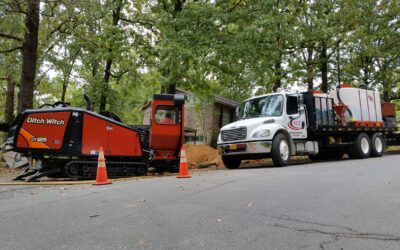
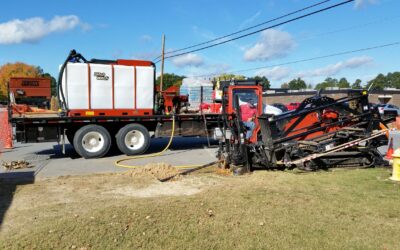
Hydrovac excavation plays a major role in trenchless utility installation and underground boring projects. Contractors regularly use it to prepare safe entry and exit points for horizontal directional drilling without damaging nearby utility lines.
For projects involving auger boring, jack and bore, or other trenchless construction methods, crews can also use hydro excavation to prepare bore pits and safely expose existing utility crossings before drilling begins. That added visibility helps reduce installation issues and improves project accuracy overall.
The process also works alongside underground utility locating technologies by providing physical confirmation of buried lines. While electronic locating systems and ground penetrating radar provide valuable information, field verification still matters. A lot, actually.
When Is Hydrovac Excavation the Best Choice?
Hydrovac excavation is often the best option when projects require precision, safety, or minimal surface disruption. Contractors commonly use it for:
- Utility daylighting before directional drilling
- Excavation in congested utility corridors
- Working near gas, fiber optic, or electrical lines
- Site preparation for underground utility construction
- Trenchless utility installations
- Excavation in environmentally sensitive or confined areas
Some projects combine hydrovac with traditional excavation, depending on site conditions and overall project scope. It’s not necessarily a replacement for every digging method, but it has become one of the safer solutions for complex underground work.
Growing Demand for Hydro Excavation Services
Demand for hydrovac excavation services continues to increase as contractors and municipalities focus more on safety, efficiency, and sustainable construction practices. According to Fact.MR’s hydro vacuum excavation industry analysis, the utility and municipal segment is expected to grow at a 3.7% CAGR between 2024 and 2034.
The report highlights several reasons behind this growth, including the need for precise excavation methods that reduce utility damage, minimize soil disruption, and support safer infrastructure upgrades. Hydro excavation is also increasingly used in dense urban areas where underground systems are more complex and difficult to navigate safely.
Honestly, infrastructure projects are only getting more complicated. Contractors need excavation methods that reduce risk without slowing everything down.
Long-Term Benefits for Contractors and Property Owners
Using hydrovac excavation can provide long-term value well beyond immediate project safety. Contractors can reduce liability risks, avoid costly repairs, and improve project timelines. Property owners and municipalities benefit from cleaner excavation sites, reduced disruption, and better protection for existing infrastructure.
This approach also supports modern construction goals centered around sustainability and minimally invasive practices. By limiting unnecessary digging and preserving surrounding infrastructure, contractors can complete projects more responsibly while still maintaining productivity.
Work With Randy Carter Construction
Randy Carter Construction provides professional hydrovac excavation, directional boring, and underground utility construction services throughout Arkansas. Our team combines advanced equipment with real-world field experience to complete projects safely, efficiently, and with fewer surprises underground.
If your next project involves buried utilities, choosing the right excavation method can make a major difference. The right approach helps protect infrastructure, reduce downtime, and keep construction moving forward without unnecessary setbacks.
Frequently Asked Questions About Hydrovac Excavation
Why is hydrovac excavation becoming more important for underground utility projects?
The demand for Hydrovac Excavation is growing because infrastructure projects are becoming more complex, especially in urban and heavily developed areas. Roads, pipelines, communication lines, and utility systems are often packed into tight underground corridors, making traditional digging riskier than ever.
Hydrovac excavation provides a non-destructive way to expose underground utilities without damaging surrounding infrastructure. As municipalities and contractors invest more in infrastructure upgrades, many are turning to hydrovac because it improves safety, reduces costly utility strikes, and helps projects stay on schedule.
How does hydrovac excavation improve safety compared to traditional digging?
Hydrovac excavation improves safety by using pressurized water and a vacuum system instead of aggressive mechanical digging equipment. This controlled process helps crews safely expose buried utilities while reducing the risk of damaging gas lines, electrical conduits, fiber optic cables, and water systems.
Traditional excavation methods can create serious hazards if underground utilities are struck accidentally. Hydrovac excavation reduces those risks while also improving visibility below the surface before construction or drilling begins. In a lot of cases, that extra control prevents accidents that could shut down an entire project.
Why are municipalities and utility contractors using hydrovac excavation more often?
Municipalities and utility contractors are increasingly using hydrovac excavation because it supports safer and more environmentally responsible construction practices. The process creates less soil disturbance, reduces the need for excessive backfilling, and minimizes damage to existing infrastructure.
Hydrovac excavation is also extremely useful in congested urban environments where underground utility systems are difficult to navigate. As cities continue to grow and underground infrastructure becomes denser, contractors need excavation methods that offer more precision and fewer disruptions.
Can hydrovac excavation help with directional boring and trenchless construction?
Yes. Hydrovac excavation is commonly used to support directional boring, horizontal directional drilling, and other trenchless construction methods. Contractors often use hydrovac to daylight utilities, verify underground line locations, and safely prepare bore pits before drilling begins.
This process improves accuracy during underground utility installations and helps reduce the likelihood of unexpected conflicts during drilling operations. Honestly, it’s become one of the more reliable ways to avoid expensive surprises underground.
Is hydrovac excavation environmentally friendly?
Hydrovac excavation is considered a more environmentally friendly alternative to traditional excavation methods because it reduces unnecessary soil disruption and limits damage to surrounding infrastructure. Since the excavation process is highly targeted, crews remove only the soil needed to expose utilities or prepare specific work areas.
This method also supports better waste management practices because excavated material is collected directly into a debris tank instead of spreading across the job site. For contractors and municipalities focused on sustainability, hydrovac excavation offers a cleaner and more controlled approach to underground construction.