Choosing the right excavation method can make a significant difference in safety, efficiency, and overall project success. While traditional digging methods have long been used in construction, modern projects increasingly require more precise and controlled solutions. Understanding when to use hydrovac instead of mechanical excavation helps contractors reduce risk, protect underground infrastructure, and improve job site performance.
Understanding the Difference Between Hydrovac and Mechanical Excavation
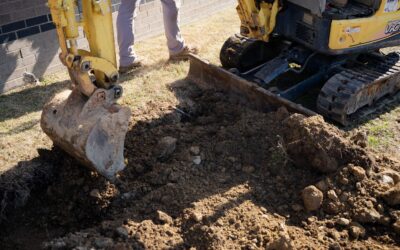
Mechanical excavation relies on heavy equipment such as backhoes and trenchers to remove soil quickly. While effective for large-scale digging in open areas, this approach can be risky when working near underground utilities. The force used in traditional excavation increases the likelihood of damaging pipelines, cables, and other critical infrastructure.
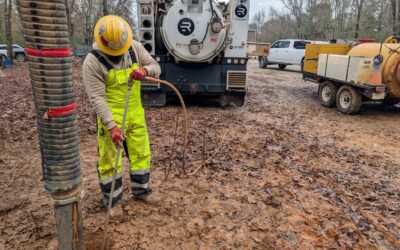
Hydrovac excavation offers a safer alternative. By using pressurized water and vacuum systems, this non-destructive digging method allows crews to remove soil with precision. When comparing hydrovac vs mechanical excavation, the key advantage lies in control. Hydrovac allows contractors to expose utilities carefully, reducing the chance of accidental damage and improving overall safety.
Situations Where Hydrovac Is the Better Choice
There are several scenarios where hydrovac excavation provides clear advantages over mechanical digging. These situations typically involve sensitive environments, complex underground systems, or projects where precision is essential.
Hydrovac is ideal when:
- Working near existing underground utilities that must remain intact
- Performing utility locating or potholing to verify line locations
- Operating in tight or congested spaces where large equipment cannot be used
- Completing projects that require minimal surface disruption
- Excavating in areas where safety risks must be minimized
In these cases, hydro excavation applications provide a controlled approach that supports safer and more efficient project execution.
Improving Safety with Hydrovac Excavation
Safety is one of the primary reasons contractors choose hydrovac excavation. Mechanical digging can easily result in utility strikes, which may cause gas leaks, electrical hazards, or service outages. Hydrovac reduces these risks by allowing crews to expose utilities gradually and verify their location before continuing work.
This method is especially valuable for safe utility excavation methods in high-risk environments. By eliminating the need for aggressive digging, hydrovac protects both workers and infrastructure while maintaining compliance with safety standards.
Enhancing Efficiency and Reducing Costs
Although mechanical excavation may seem faster in some situations, hydrovac often leads to greater efficiency over the course of a project. By preventing damage to underground utilities, contractors can avoid costly repairs and delays. Hydrovac also reduces the need for extensive restoration work, which helps keep projects on schedule.
Hydrovac excavation benefits extend beyond safety. The ability to perform precise excavation improves coordination between crews and ensures that work can continue without unnecessary interruptions. This is particularly important for projects involving underground utility construction, where accuracy directly impacts overall performance.
Common Applications of Hydrovac Excavation
Hydrovac is widely used across a variety of construction and utility projects. Its versatility makes it an essential tool for contractors working in both urban and rural environments. Common hydro excavation applications include:
- Utility potholing and daylighting to confirm underground line locations
- Exposing buried infrastructure for repair or maintenance
- Excavation in tight or sensitive areas where precision is required
- Supporting underground utility construction projects that demand accuracy
- Preparing sites for directional boring or trenchless installation
These hydrovac excavation applications demonstrate why contractors continue to adopt this method as a preferred alternative to traditional digging.
Choosing the Right Method for Your Project
Deciding between hydrovac and mechanical excavation depends on the specific needs of your project. While traditional methods may still be suitable for large, open areas, hydrovac is the better choice when safety, precision, and minimal disruption are priorities. Contractors who understand when to use each method can improve project outcomes and reduce overall risk.
Randy Carter Construction provides expert hydrovac services designed to support safe and efficient underground utility construction. Our team helps clients determine the best excavation approach based on site conditions, project scope, and safety requirements.
Contact Randy Carter Construction today to learn how hydrovac excavation can improve safety, reduce risk, and keep your project on track from start to finish.