Underground infrastructure has always played a critical role in supporting communities, businesses, and economic growth. Water systems, electrical networks, telecommunications, natural gas, and sewer infrastructure all depend on carefully planned utility installation beneath the surface. Although most people rarely think about what lies underground, these systems affect nearly every aspect of daily life.
Across Arkansas, infrastructure demands continue to grow. Population growth, commercial development, municipal improvements, and expanding communication networks are creating new challenges for contractors responsible for installing and maintaining underground utilities. As a result, the future of underground utility construction in Arkansas will be shaped by changing technologies, evolving construction methods, and an increasing emphasis on efficiency and safety.
For contractors, developers, and municipalities, understanding where the industry is headed can help them prepare for the next generation of infrastructure projects.
Arkansas Is Experiencing Increased Demand for Underground Infrastructure
Many of Arkansas’s utility systems were installed decades ago. While some infrastructure continues to function effectively, many communities are investing in upgrades to improve reliability and accommodate future growth.
New residential developments require expanded water and sewer systems. Commercial projects depend on reliable electrical and communication networks. Municipalities continue investing in road improvements, drainage systems, and public utilities that support long-term growth.
This increasing demand is creating new opportunities for underground utility contractors throughout the state.
At the same time, projects are becoming more complex. Contractors must often install new infrastructure in developed areas where existing utilities already occupy limited underground space. This creates additional challenges that require more precise construction methods and more detailed planning.
Because of these changing conditions, many drilling companies are moving away from traditional installation methods and adopting more efficient underground construction techniques.
Trenchless Construction Will Continue to Expand
Traditional trenching still serves an important purpose within the construction industry. However, many projects are shifting toward trenchless installation because of the advantages it provides.
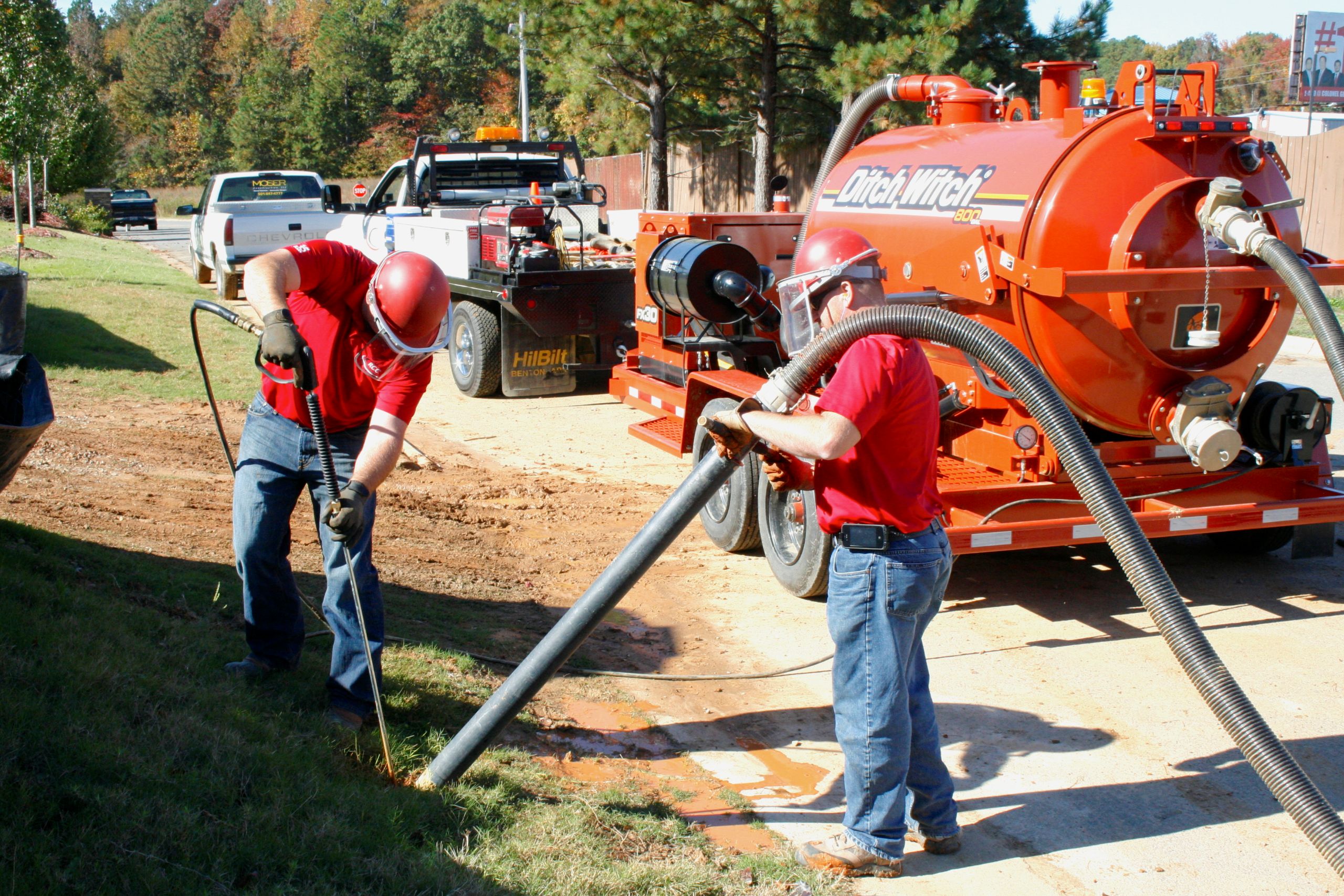
Directional drilling allows contractors to install utilities beneath the ground while minimizing disruption to roads, sidewalks, parking lots, landscaping, and existing structures. Instead of excavating a continuous trench, crews create a controlled underground pathway that reduces surface disturbance.
This approach is becoming increasingly valuable as Arkansas communities continue to grow.
Developers are seeking solutions that minimize interruptions to businesses and residents. Municipalities want to reduce traffic disruptions during infrastructure improvements. Property owners want to preserve existing landscapes whenever possible.
These expectations are contributing to the growing demand for horizontal directional drilling companies that can provide efficient underground installation services while reducing restoration costs.
Technology Will Continue to Influence Construction Practices
The future of underground utility construction will be closely tied to technological advancements.
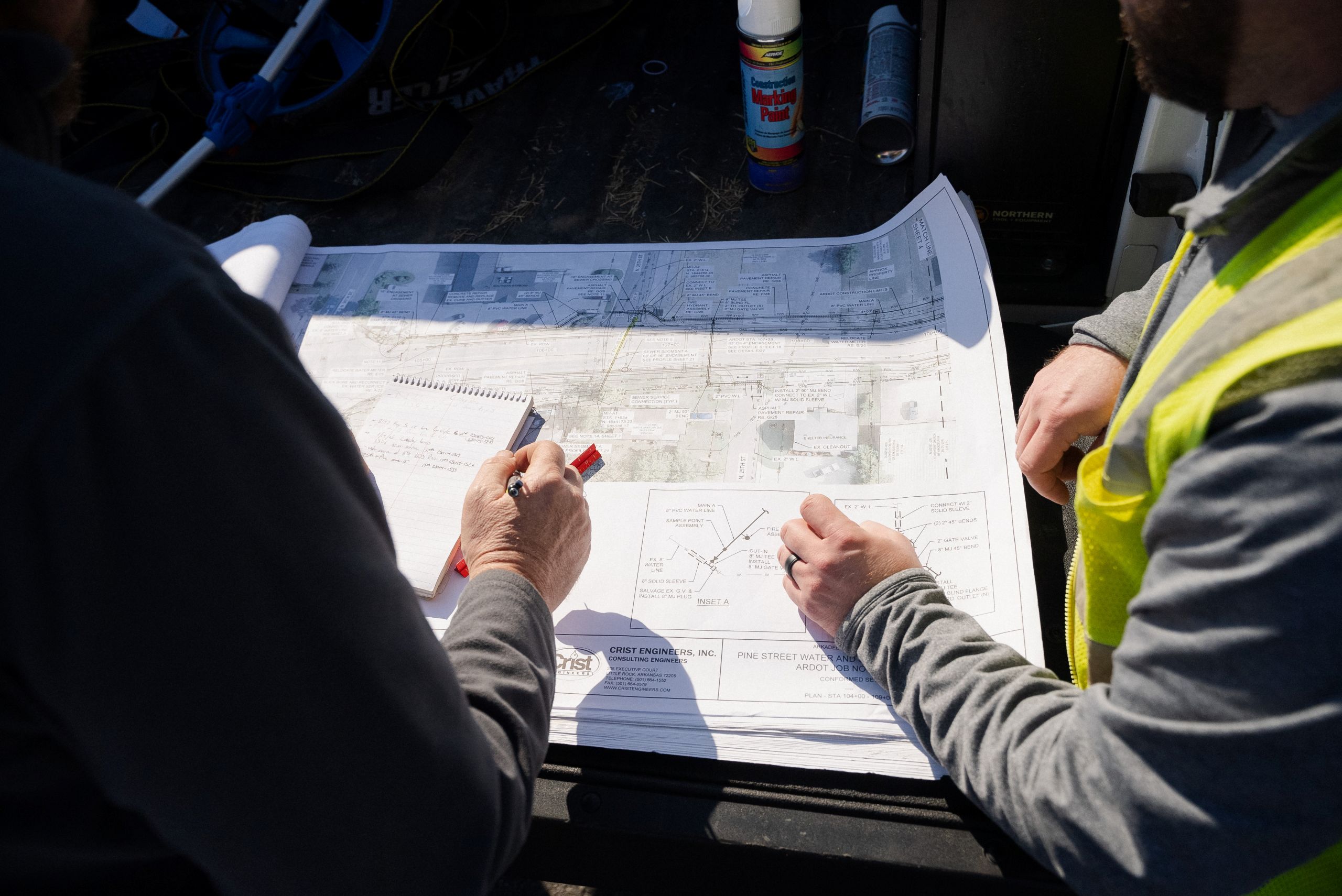
Modern drilling equipment provides more precise navigation, allowing contractors to monitor bore depth and alignment throughout the installation process. Advanced locating equipment helps identify existing utilities before excavation begins. Digital planning tools allow crews to analyze site conditions before construction even starts.
These technological improvements are changing how projects are designed and executed.
Contractors can now identify potential conflicts earlier, develop more accurate installation plans, and make adjustments before problems affect the construction schedule. This proactive approach reduces delays while improving both safety and efficiency.
Technology is also helping contractors better manage increasingly congested underground environments. As communities continue to expand, the ability to accurately map and navigate existing infrastructure will become even more important.
Utility Coordination Will Become More Important Than Ever
One of the biggest challenges facing underground utility contractors is the growing concentration of infrastructure beneath developed areas.
A single construction corridor may contain multiple utility systems, including electrical lines, water infrastructure, sewer systems, natural gas pipelines, telecommunications cables, and fiber optic networks.
Installing new infrastructure within these environments requires significant coordination.
Future projects will likely require even greater collaboration between contractors, engineers, utility providers, and municipalities. Careful planning will become essential to prevent conflicts and ensure projects remain on schedule.
This shift is already influencing how drilling companies near me and underground utility contractors near me approach project management. Success increasingly depends on communication, coordination, and the ability to adapt to changing site conditions.
Arkansas Communities Will Continue Investing in Infrastructure Improvements
Infrastructure investment remains a priority across Arkansas. Municipalities continue upgrading aging water and sewer systems. Telecommunications providers are expanding broadband access. Developers are constructing new residential communities and commercial properties throughout the state.
These projects require experienced contractors who understand the unique challenges associated with underground construction.
Communities such as Benton and surrounding areas continue to experience growth, creating additional demand for infrastructure improvements. As a result, Benton construction projects will likely continue driving investment in underground utility installation throughout the region.
This trend is expected to create long-term opportunities for contractors specializing in directional drilling, utility excavation, and underground infrastructure development.
Experience Will Remain the Foundation of Successful Projects
While technology continues to reshape the industry, experience remains one of the most valuable assets in underground construction.
Every project presents unique challenges. Soil conditions vary. Existing infrastructure may not always be accurately documented. Unexpected obstacles can emerge at any stage of construction.
Experienced contractors understand how to respond when conditions change. They know how to adjust installation methods, protect existing infrastructure, and keep projects moving forward without sacrificing safety.
Equipment and technology can improve efficiency, but they cannot replace the knowledge gained through years of field experience.
That combination of innovation and expertise will continue to define the future of underground utility construction in Arkansas.
At Randy Carter Construction, we continue investing in the equipment, training, and techniques necessary to support modern infrastructure projects. Our team works with municipalities, developers, and contractors throughout Arkansas to deliver dependable underground construction solutions that prioritize safety, precision, and efficiency.
If you’re planning an upcoming infrastructure project, contact Randy Carter Construction today. Our team is ready to help you prepare for the future with underground construction solutions designed to support Arkansas communities for years to come.