Underground utility construction continues to evolve as communities expand, infrastructure ages, and new development projects place greater demands on existing utility networks. Contractors are expected to complete projects faster, minimize disruption, maintain strict safety standards, and protect the infrastructure already in place. Meeting those expectations requires more than experience alone. It also requires technology that can improve accuracy and support better decision making in the field.
In 2026, advancements in directional drilling technology are changing the way underground utilities are installed. New equipment, improved locating systems, and more sophisticated planning tools are helping contractors complete projects with greater precision while reducing unnecessary excavation. These innovations are reshaping the directional boring process and creating new opportunities for municipalities, developers, and utility providers across Arkansas.
Why Technology Matters in Modern Underground Construction
Directional drilling has become one of the most valuable construction methods for installing underground utilities because it allows contractors to work beneath the surface without creating continuous trenches. This trenchless approach reduces disruption while allowing essential infrastructure to be installed in locations where traditional excavation would be impractical.
However, modern underground construction projects are becoming increasingly complex. A single work site may contain water lines, gas infrastructure, electrical systems, fiber optic cables, storm drainage, and telecommunications networks operating within the same corridor. Installing new infrastructure in these environments requires much more than simply drilling through the ground.
Contractors must understand soil conditions, accurately locate existing utilities, maintain proper drilling alignment, and adapt to changing site conditions throughout the project. This is where directional drilling technology in 2026 is making a measurable difference.
Advanced HDD Drilling Equipment Is Creating More Precise Installations
One of the most significant changes in recent years has been the continued development of advanced HDD drilling equipment. Modern drilling systems provide operators with far more information than previous generations of equipment.
Rather than relying exclusively on manual measurements and operator experience, today’s equipment allows crews to monitor the position of the drill head throughout the entire installation process. This provides greater control over depth, alignment, and directional adjustments.
Precision is particularly important when utilities must be installed beneath roads, parking lots, sidewalks, or developed commercial properties. Even minor deviations can create complications, increase project costs, and delay completion.
With improved drilling equipment, contractors can maintain tighter tolerances while reducing unnecessary surface disruption. This leads to more efficient utility installations and fewer unexpected challenges during construction.
Better Utility Detection Is Improving Project Safety
One of the greatest risks associated with underground construction is the possibility of damaging existing infrastructure. Striking a buried gas line, electrical system, or telecommunications cable can create serious safety hazards while bringing an entire project to a standstill.
Fortunately, utility locating technology continues to advance alongside directional drilling innovations.
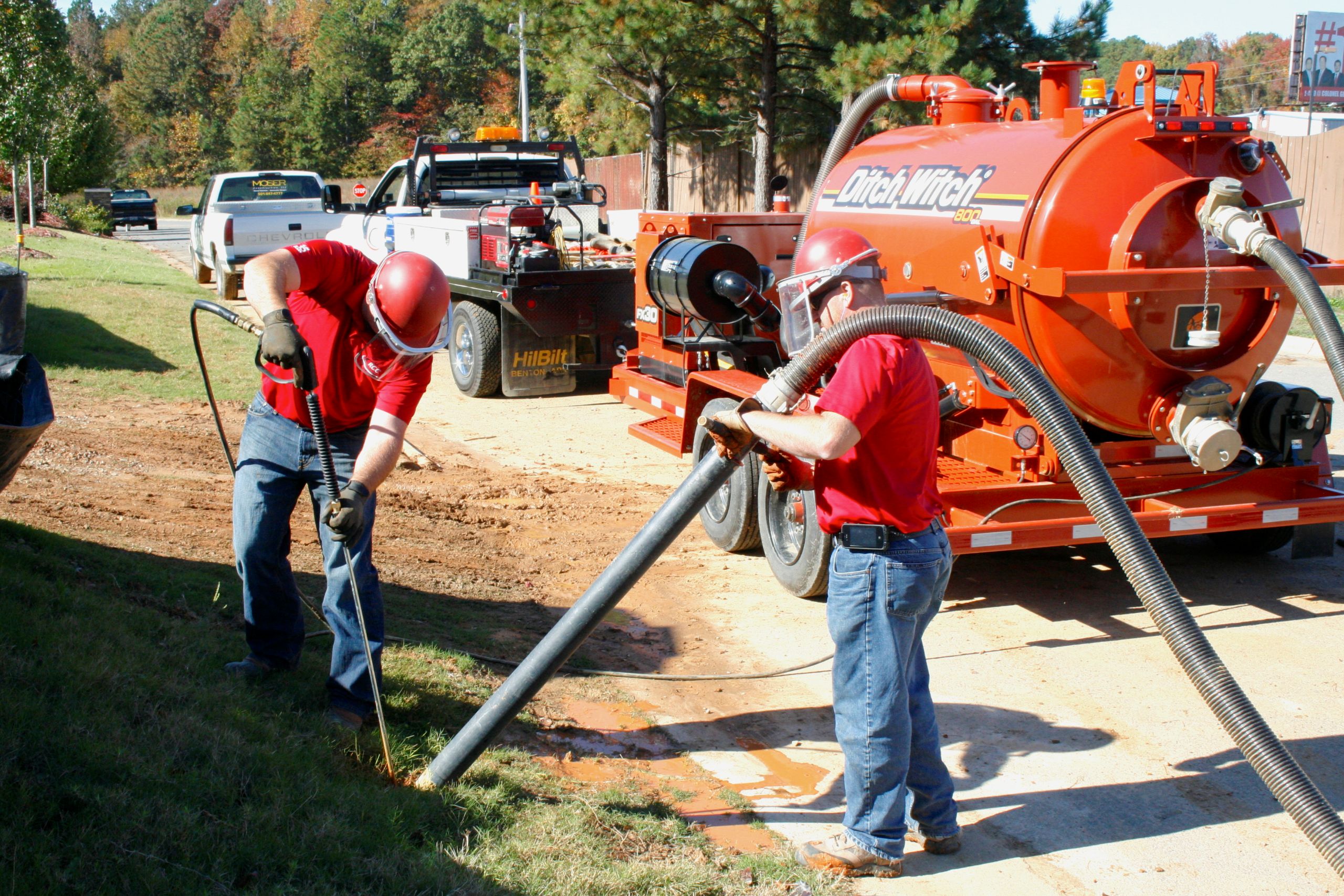
Modern locating equipment allows contractors to gather more accurate information before drilling begins. Technologies such as electromagnetic locating systems and ground penetrating radar provide detailed information about underground conditions, helping crews identify potential conflicts before excavation starts.
These improvements support every stage of the directional boring process. Instead of reacting to unexpected discoveries during installation, contractors can make informed decisions during the planning phase.
This proactive approach improves safety, reduces downtime, and helps protect existing infrastructure throughout the project.
Digital Planning Is Changing the Way Projects Are Managed
Technology is improving more than field operations. It is also changing how underground projects are planned and coordinated.
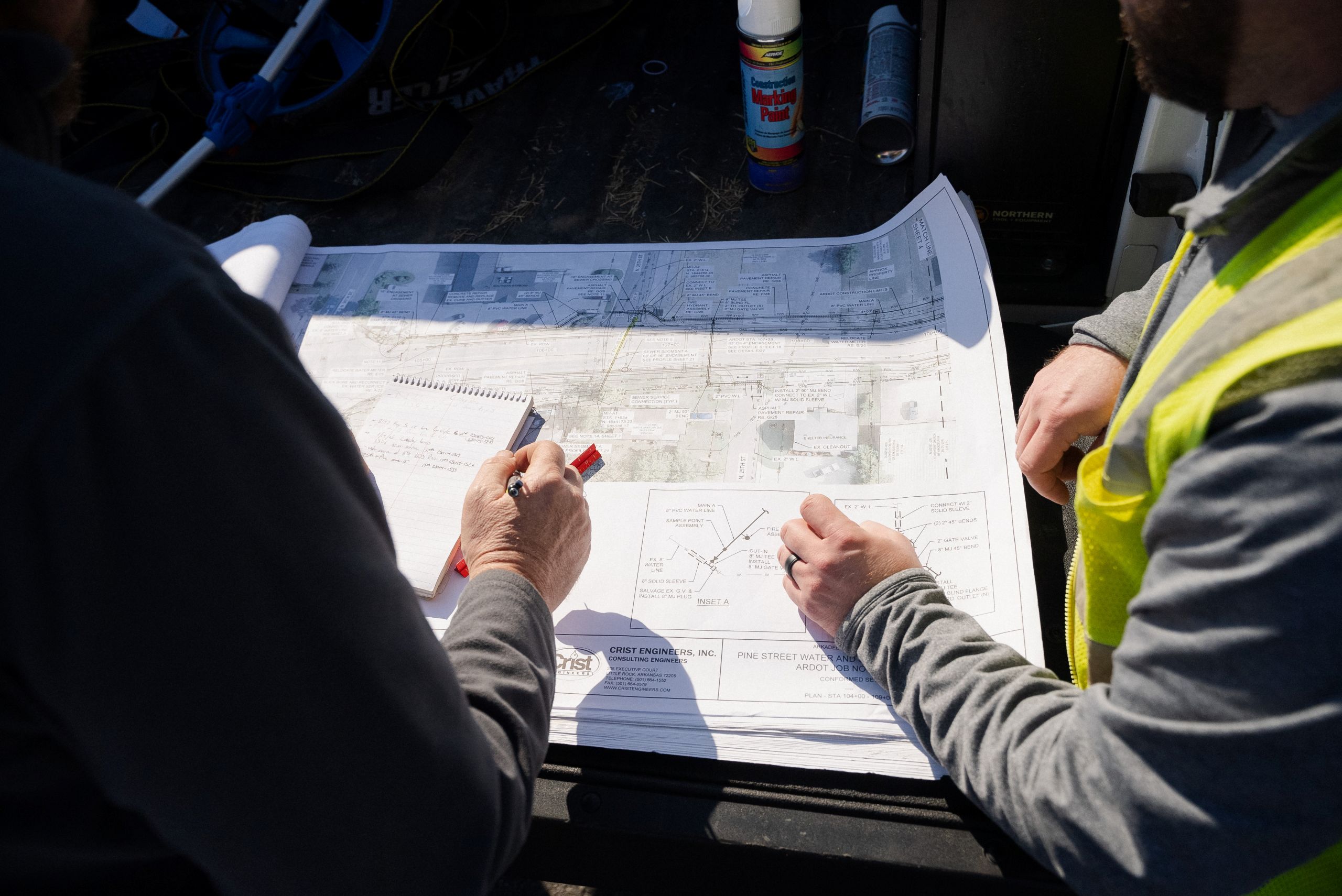
Digital planning tools allow contractors to evaluate site conditions, create more accurate drilling paths, and identify potential obstacles before equipment ever arrives on site. These systems improve communication between project managers, engineers, utility providers, and field crews.
More detailed planning also helps contractors estimate timelines more accurately. This is especially important for municipalities and developers who need infrastructure projects completed within specific construction schedules.
As these systems continue to improve, the entire project lifecycle becomes more efficient, from the initial planning stages through final installation.
Smart Drilling Systems Are Supporting Better Decision Making
Another major development in 2026 is the growing use of smart drilling systems. These technologies collect and analyze data throughout the drilling operation, providing crews with real-time information that supports more informed decisions.
Instead of waiting until problems develop, operators can identify changes in soil conditions, adjust drilling paths, and monitor equipment performance as the project progresses.
The integration of data into construction operations is becoming increasingly valuable because underground conditions are rarely predictable. Every project presents unique challenges, and contractors who have access to better information are often better equipped to respond effectively.
This shift toward data-driven construction is expected to continue as more companies adopt modern trenchless technology and invest in more sophisticated equipment.
Environmental Considerations Are Influencing Construction Practices
Technology is also helping contractors reduce the environmental impact of underground construction.
Traditional trenching often requires significant excavation, large amounts of soil removal, and extensive restoration after installation is complete. These activities can affect traffic patterns, landscaping, and surrounding ecosystems.
Directional drilling reduces many of these concerns by limiting surface disruption and preserving existing infrastructure. As environmental regulations continue to evolve, many municipalities are placing greater emphasis on construction methods that minimize disturbance.
This growing focus on sustainability is likely to accelerate the adoption of trenchless installation methods in the coming years.
For contractors, this means balancing efficiency with environmental responsibility. Technology is making it easier to achieve both objectives.
The Future of the Directional Boring Process
Although technology continues to transform underground construction, one thing remains constant. Successful projects still depend on experienced professionals.
Equipment can provide data, but technology cannot replace the judgment that comes from years of field experience. Unexpected conditions, changing soil characteristics, and complex utility corridors still require knowledgeable operators who understand how to adapt when challenges arise.
The future of directional drilling will likely include even greater technological integration, but the most successful contractors will continue combining innovation with practical expertise.
At Randy Carter Construction, we stay current with the latest directional drilling innovations while maintaining the hands-on experience that complex underground projects require. Our team uses advanced HDD drilling equipment and proven trenchless drilling methods to support municipalities, developers, contractors, and utility providers across Arkansas.
If you’re planning an upcoming underground utility project, contact Randy Carter Construction today. We’ll help you take advantage of modern technology while delivering the safety, precision, and reliability your project deserves.