Commercial construction often involves much more than what can be seen on the surface. Beneath concrete floors, slabs, walls, and foundations can be a network of reinforcing steel, post-tensioning components, electrical conduit, plumbing, and other embedded features. When contractors need to drill, core, cut, anchor, or modify an existing concrete structure, understanding what lies inside that material is essential.
This is where concrete scanning services become an important part of commercial construction planning. By using subsurface detection technology before intrusive work begins, contractors can gain a clearer understanding of what is embedded in concrete and make better decisions about where and how work should be performed. For commercial property owners, developers, general contractors, and facility managers, that added information can help reduce unnecessary risk, protect existing structures, and prevent avoidable project delays.
Why Commercial Construction Requires Subsurface Detection
Concrete is designed to be strong and durable, but that strength can make modifications challenging. Contractors cannot always determine what is inside a slab simply by looking at the surface. Construction records may be incomplete, plans may have changed over time, or a building may have undergone renovations that altered the original layout.
Drilling into an unknown area creates the possibility of encountering reinforcement or embedded utilities. In some structures, damaging a post-tensioning component can create serious structural concerns. Hitting an electrical conduit or other embedded system can also lead to repairs, work stoppages, and additional costs.
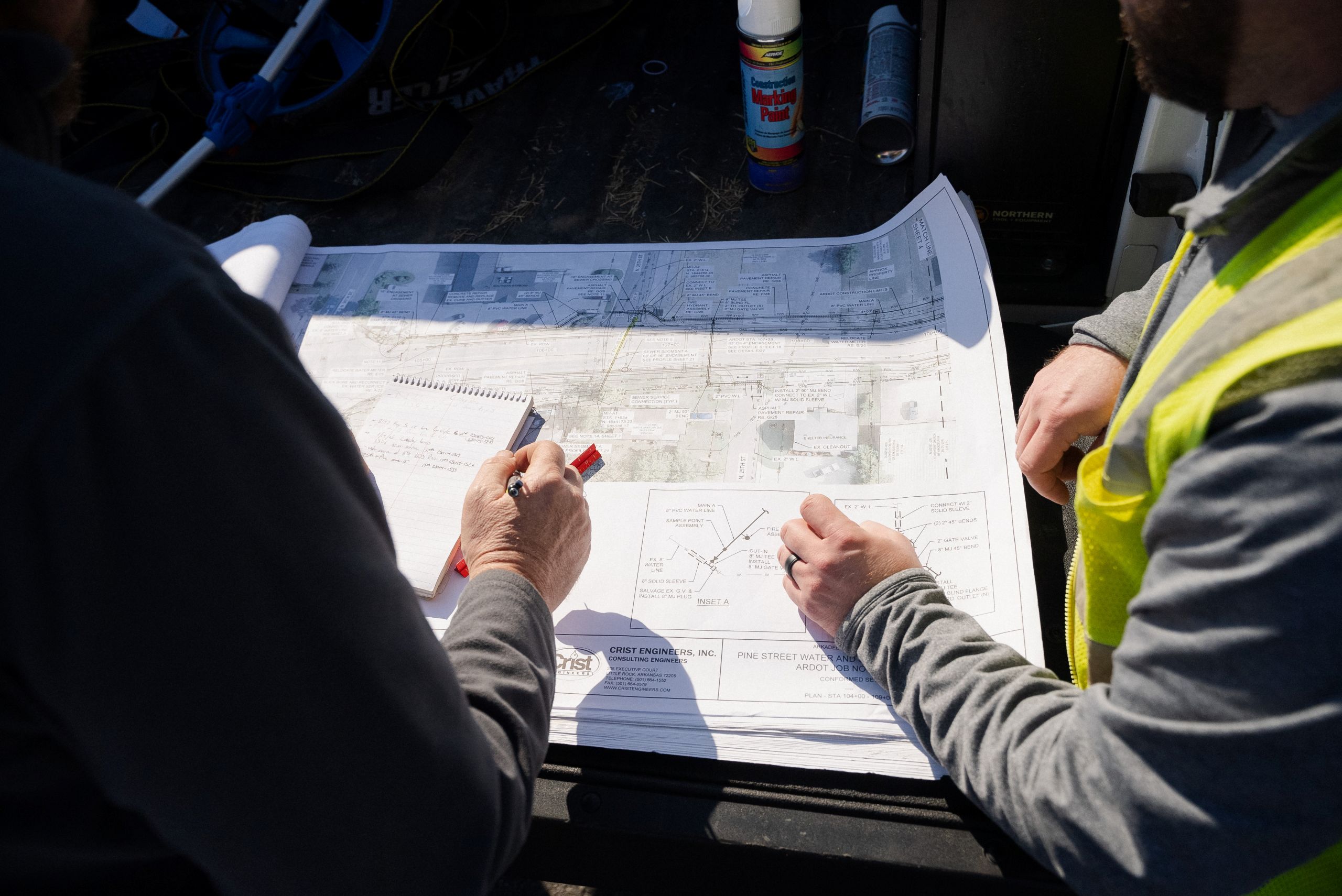
For this reason, scanning should be considered part of the planning process whenever a project involves intrusive work in existing concrete. Rather than relying entirely on drawings or assumptions, contractors can use concrete imaging services to gather additional information about the slab or structure before work begins.
How Concrete Scanning Works
Concrete scanning commonly relies on ground penetrating radar technology to send electromagnetic signals into a concrete structure. When those signals encounter changes in density or embedded materials, the equipment detects reflections that can help trained technicians identify subsurface features.
The resulting information can be used to locate and map items such as reinforcing steel, conduit, cables, voids, and other embedded structures. The exact information available depends on the concrete composition, scanning conditions, equipment, and the depth and size of the object being investigated.
Professional concrete scanning Arkansas services typically involve more than simply passing equipment across the surface. The technician must understand the scan data, establish reference points, interpret anomalies, and communicate findings clearly to the construction team. That interpretation is an important part of turning scanning technology into useful project information.
Where Commercial Concrete Scanning Can Add Value
Commercial concrete scanning can be useful during a wide range of construction, renovation, and maintenance activities. Projects often require drilling or cutting into existing slabs as part of a larger building improvement, and scanning can help contractors make those modifications with greater awareness of what is already in place.
Common applications include:
- Core drilling for plumbing, electrical, or mechanical installations
- Concrete cutting during commercial renovations
- Anchor installation and structural modifications
- Floor penetrations for new building systems
- Investigating areas where existing plans are incomplete or uncertain
These applications are particularly relevant in occupied commercial properties, where unexpected damage can affect tenants, employees, customers, and daily operations.
Protecting Existing Structures and Reducing Project Risk
One of the most important reasons to incorporate concrete scanning into a commercial project is risk reduction. A contractor may have a clear plan for where a hole needs to be drilled, but without scanning, there may still be uncertainty about what occupies that specific location below the surface.
Concrete scanning helps reduce that uncertainty before work begins. With more information available, project teams can adjust drilling or cutting locations when necessary and avoid known embedded features.
This can help prevent damage to reinforcement, electrical components, and other systems that may be expensive or difficult to repair. It can also reduce the likelihood of project interruptions caused by unexpected discoveries after drilling has already started.
For commercial owners, avoiding these problems can have benefits beyond the immediate repair cost. A damaged building system can delay other trades, affect occupancy, interfere with business operations, and push a project further behind schedule.
Improving Coordination Between Trades
Commercial projects often involve multiple contractors working within the same space. Mechanical, electrical, plumbing, structural, and general construction teams may all need access to existing concrete areas during different phases of the work.
Scanning data can help these teams coordinate their activities more effectively. Rather than treating every drilling or cutting location as an isolated task, project managers can incorporate subsurface information into the broader construction plan.
This becomes particularly valuable during renovations where new systems must be integrated into an existing building. Knowing where reinforcement and embedded utilities are located can help contractors plan penetrations and routes more carefully, reducing conflicts between trades.
Better coordination can also make the overall project more predictable. When potential issues are identified before work begins, contractors have a better opportunity to address them through planning rather than reacting to problems in the field.
Concrete Scanning and Ground Penetrating Radar
Many property owners searching for ground penetrating radar services near me are looking for a practical way to investigate concrete before drilling or cutting. While GPR is a powerful scanning technology, successful results depend on the application, equipment, surface conditions, and the experience of the technician interpreting the scan.
Professional scanning should therefore be viewed as a combination of technology and expertise. The equipment provides subsurface data, while trained professionals use that information to identify likely embedded features and communicate their findings to the construction team.
This distinction matters because scanning is intended to improve decision making, not replace sound engineering judgment or other required safety procedures.
When Should Commercial Properties Consider Scanning?
Concrete scanning should be considered whenever a project involves intrusive work in an existing concrete structure and there is uncertainty about what may be embedded inside. It can be particularly useful when original construction documents are unavailable, when the building has undergone previous renovations, or when the planned work is close to known structural or utility features.
Planning the scan before demolition, drilling, or cutting gives contractors time to review the results and make adjustments without creating unnecessary schedule pressure.
For developers and commercial property owners, this proactive approach can be especially valuable during renovation planning. Investing in better information before construction begins may help avoid more expensive problems later in the project.
Building Safer Commercial Projects Through Better Planning
Concrete scanning is not simply another step to add to a construction checklist. It is a practical planning tool that can provide valuable information before contractors make irreversible changes to an existing structure.
At Randy Carter Construction, we understand the importance of combining careful planning with the right technology for complex construction environments. Our approach is centered on helping contractors, developers, and commercial clients reduce uncertainty, protect existing infrastructure, and move projects forward with greater confidence.
Whether a project involves a commercial renovation, structural modification, new utility installation, or concrete drilling, understanding what lies beneath the surface can make a meaningful difference.
Contact Randy Carter Construction today to learn more about concrete scanning services and how subsurface detection can help protect your next commercial construction project.