Experience Should Be One of the First Considerations {#experience-should-be-one-of-the-first-considerations}
Directional boring is specialized underground work. The goal might sound simple, but running a safe, accurate bore path for utilities takes real expertise and careful oversight at every stage of the project.
Site conditions vary a lot from one location to the next. Soil composition, groundwater, existing infrastructure, access limitations, and the required bore path can all affect how the project is planned and completed.
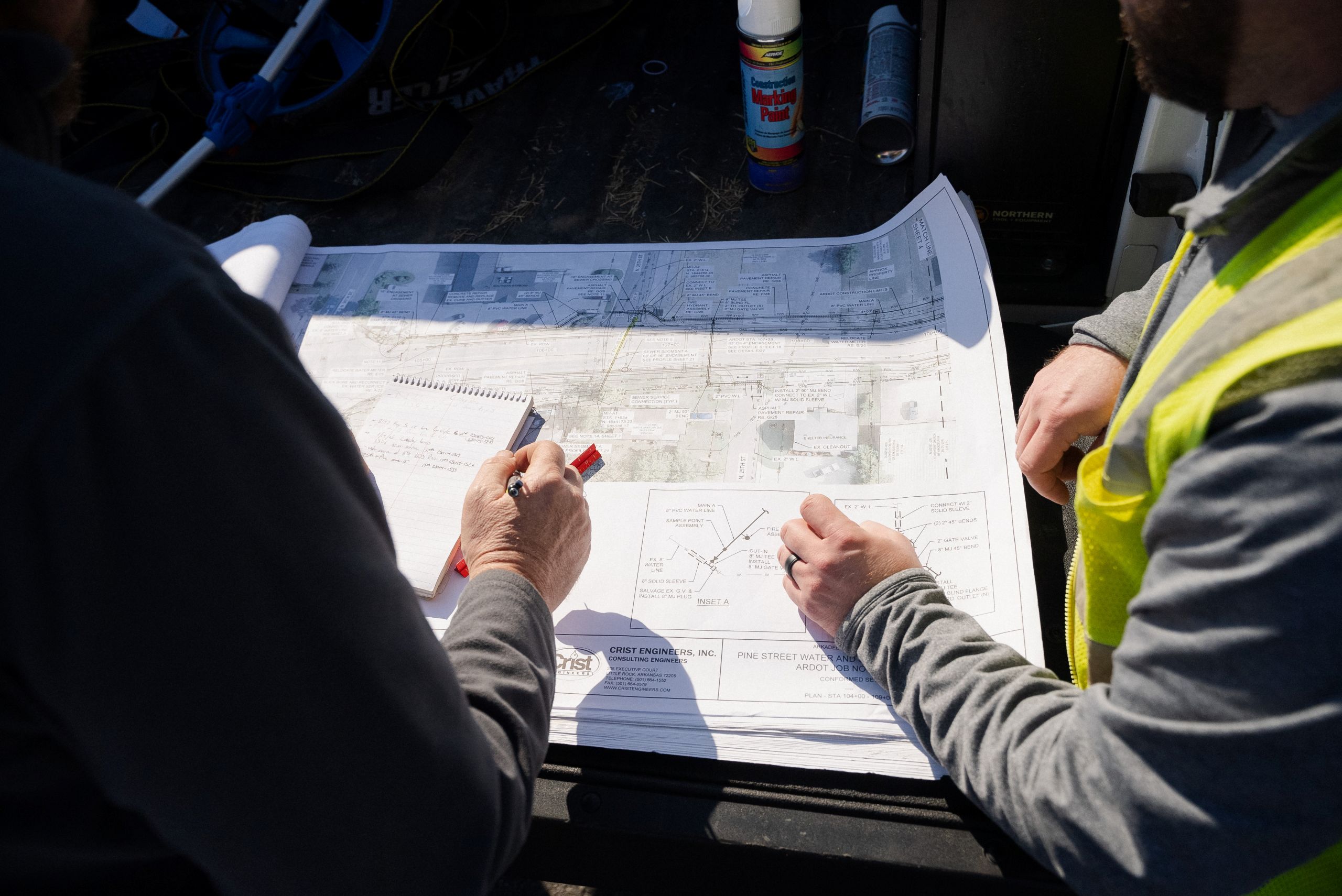
Before work begins, a contractor should evaluate the site and build a plan around the specific installation. That means mapping the drilling route, identifying potential conflicts with existing underground infrastructure, arranging utility locating, and considering how the work will affect nearby roads, properties, or other infrastructure.
Experience matters most when something unexpected turns up. Underground construction can involve conditions that simply aren’t visible during initial planning. An experienced contractor knows how to adjust on the fly without compromising safety or the project timeline.
Understanding the Contractor’s Capabilities
Not every directional boring company offers the same range of services or has the same depth of project experience. Before hiring, it’s worth confirming that a contractor has the right equipment and know-how for your specific project.
Some projects call for straightforward utility runs. Others require complex drilling beneath roads, driveways, commercial buildings, or other developed infrastructure. A contractor should be able to explain clearly how their equipment and methods match what your project actually needs.
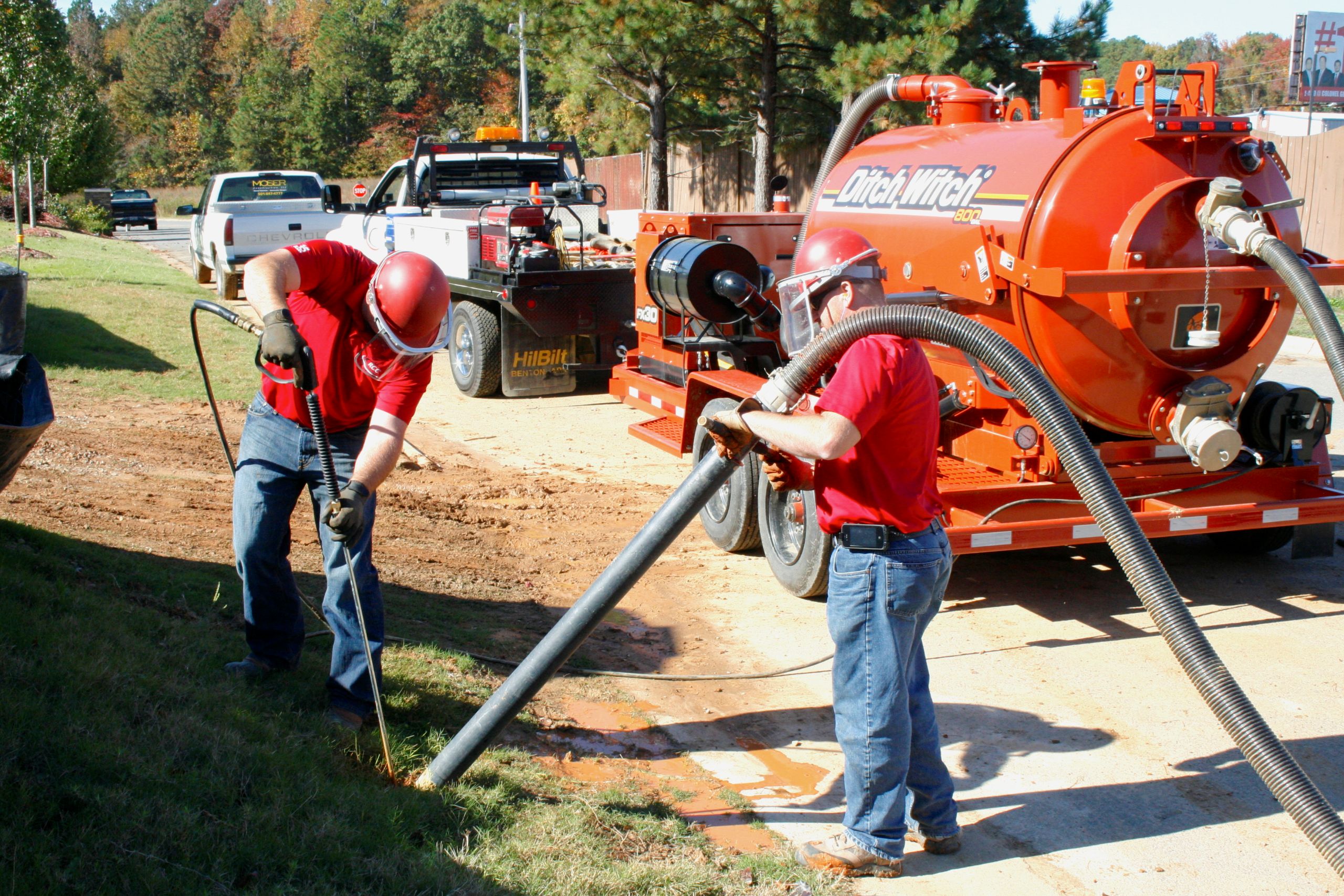
It also helps to work with a contractor who understands the bigger picture of underground construction. Directional boring is often just one piece of a larger project. Utility locating, hydrovac excavation, site preparation, and traditional utility excavation may all play a role before or during installation.
Working with a contractor who handles more than one of these services can mean better coordination and fewer separate contractors to manage.
Safety and Utility Protection Cannot Be Overlooked
Safety should be one of the top priorities when choosing a contractor. Most job sites have existing underground infrastructure, including gas lines, electrical cables, water systems, sewer lines, and telecommunications networks. Drilling without a clear picture of what’s down there can create serious safety risks and lead to costly utility damage.
A professional contractor builds utility locating and site preparation into the process before drilling starts. Knowing what’s already underground lets the crew plan a safer route and avoid unnecessary conflicts.
Safety doesn’t stop once drilling begins. How the crew handles equipment, communicates on site, and stays aware of changing conditions all contribute to a safer job.
The best directional boring contractors treat safety and efficiency as connected, not competing, goals. Avoiding incidents and utility strikes protects the people on site, the surrounding infrastructure, the project timeline, and the budget.
Project Planning Can Affect the Entire Timeline
Successful boring projects start with a solid plan.
A contractor needs to understand the project’s goals, installation requirements, site constraints, and expected timeline before work begins. Good planning surfaces potential problems early, so the team can make decisions before those problems turn into delays.
This matters even more on projects that need to line up with other construction phases. Underground utility work often has to happen before paving, foundation work, landscaping, or other stages of a build.
A boring contractor with strong planning and communication habits can help make sure the underground portion of the project stays on track with the rest of the construction schedule.
Clear, regular communication also gives you a better sense of what to expect. A good contractor should keep you updated on site readiness, expected timelines, access requirements, and anything else that could affect the schedule.
Local Knowledge Can Provide an Additional Advantage
When you’re looking for a local boring contractor, regional experience is worth something.
A contractor with a track record on directional boring in Arkansas projects is likely familiar with the state’s construction environment, municipal infrastructure requirements, and the challenges that come with both established and growing areas.
Local knowledge doesn’t replace technical skill, but it does help a contractor plan smarter. Familiarity with regional soil conditions, local construction norms, and the kinds of projects common in the area all contribute to better decision-making before work even starts.
For projects based in Arkansas, working with a contractor who already knows the region gives you more confidence throughout planning and execution.
Choosing a Partner for the Entire Project
The right boring contractor should be more than an equipment supplier. Underground construction is a collaborative process that takes planning, communication, technical knowledge, and the ability to adapt when conditions change.
A good contractor works with your project team to understand what you’re trying to accomplish and builds a plan that supports both safety and performance. They understand the value of protecting existing infrastructure while still keeping the project on a reasonable schedule.
When you’re evaluating directional boring companies, look at the full picture of what they offer, not just the drill rig. Knowledge, the right equipment, safety practices, and clear communication all shape how well the project turns out.
Frequently Asked Questions
What should I ask a boring contractor before hiring them? Ask about their experience with similar site conditions, what equipment they use, how they handle utility locating before drilling starts, and how they communicate updates during the project.
How do I know if a contractor has the right equipment for my project? Ask them to explain how their equipment and methods match your specific installation, especially if the project involves drilling near roads, buildings, or other developed infrastructure.
Why does local experience matter for a directional boring project? A contractor familiar with your region already understands local soil conditions, municipal requirements, and common site challenges, which supports better planning from the start.
Does directional boring usually involve other services too? Often, yes. Utility locating, hydrovac excavation, site preparation, and traditional excavation frequently play a role before or during a boring project, so it helps to work with a contractor who handles more than one of these in-house.
If you are planning an upcoming utility installation and need an experienced boring contractor, contact Randy Carter Construction to discuss your project.