Concrete construction often requires contractors to drill, core, cut, anchor, or modify existing slabs and structures. What makes this work challenging is that concrete rarely tells the entire story from the surface. Reinforcing steel, electrical conduit, post-tensioning components, plumbing, and other embedded features may be hidden within the material, creating potential hazards for crews that begin work without a clear understanding of what lies beneath.
Ground penetrating radar has become an important technology for addressing that uncertainty. Through non-destructive subsurface scanning, contractors can gather valuable information about what is embedded within concrete before intrusive work begins. The result is a more informed construction process that can improve safety, reduce the likelihood of structural damage, and help commercial projects avoid unnecessary delays.
For property owners, developers, and contractors, understanding how ground penetrating radar works and when it should be used can make concrete-related construction more predictable and responsible.
Why Hidden Features Inside Concrete Matter
Concrete slabs and structural elements are designed to contain materials that contribute to their strength and functionality. Reinforcing bars provide structural support, while electrical conduit, plumbing, and post-tensioning systems may be integrated into the structure to serve the building.
The challenge is that these features are often invisible once the concrete has cured.
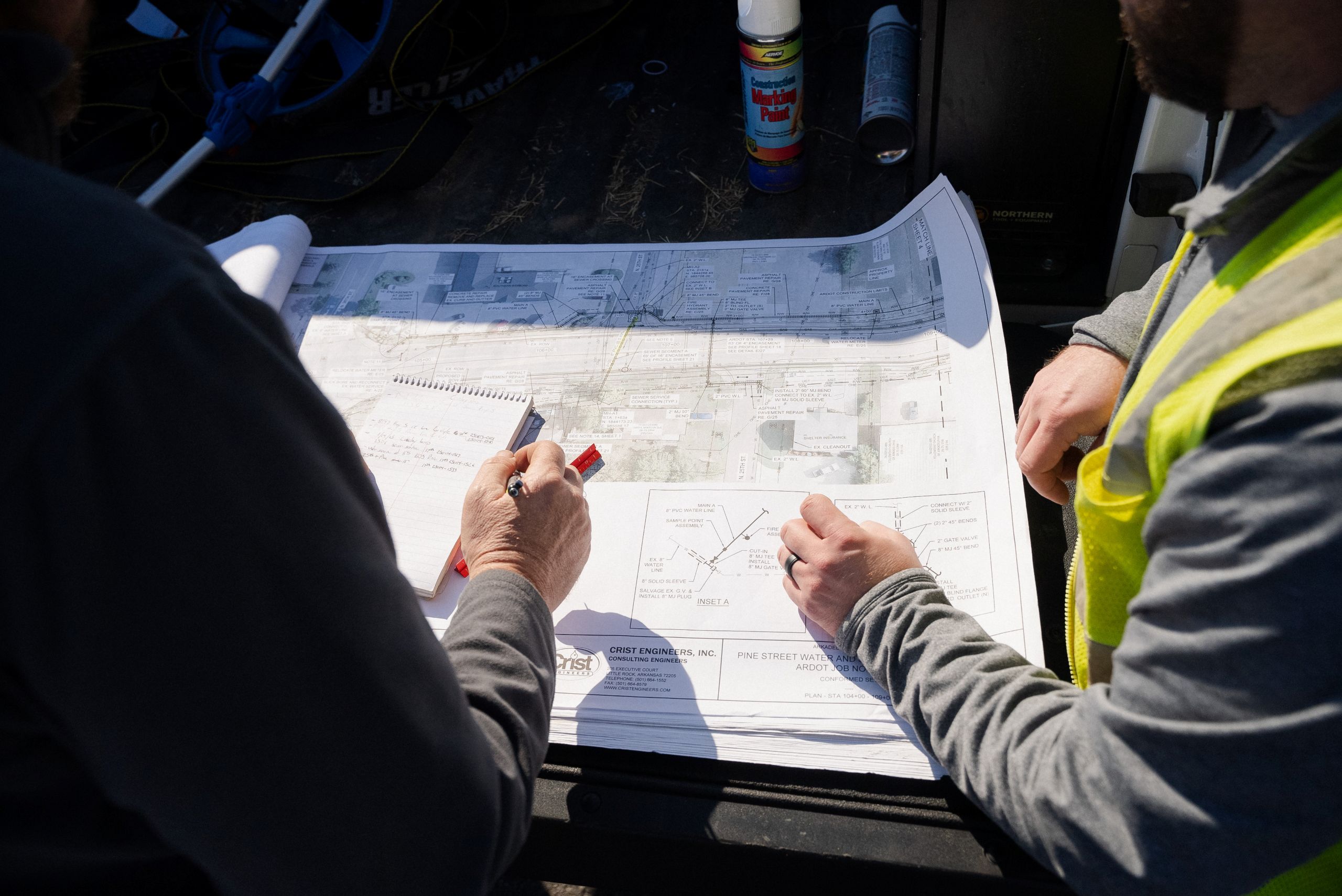
When a contractor needs to create an opening for a new mechanical system, install an anchor, or perform core drilling, relying only on surface observations can leave too many unknowns. Even construction drawings may not provide a complete picture, particularly in older buildings or properties that have undergone multiple renovations.
That uncertainty can create serious consequences. A drill or saw that encounters an embedded electrical component can create a dangerous situation. Damage to reinforcement can affect the intended performance of a structural element, while interference with post-tensioning components can create concerns that require immediate attention.
This is why professional ground penetrating radar services can be such a valuable part of project planning.
How Ground Penetrating Radar Works
Ground penetrating radar uses high-frequency electromagnetic signals to investigate materials beneath the surface. When those signals encounter changes in density or embedded objects, portions of the signal are reflected back toward the scanning equipment.
A trained technician can then interpret those reflections to identify potential subsurface features.
The technology can help locate reinforcing steel, conduits, cables, voids, and other objects or changes within concrete. The depth and clarity of detection depend on several factors, including the composition and thickness of the concrete, the characteristics of the embedded material, and the specific equipment being used.
GPR concrete scanning is particularly useful because it does not require the concrete to be demolished simply to determine what is inside it. Instead, contractors can gather information before intrusive work begins and use that information when planning the location and depth of drilling or cutting.
Using GPR to Improve Construction Safety
Safety is one of the clearest reasons contractors use ground penetrating radar near me services and similar scanning solutions. Before a drill or core bit enters concrete, the project team needs to know what could be in its path.
Scanning can help identify areas where embedded features are present so contractors can make adjustments before the work starts. A planned drilling location may be shifted, an installation route may be modified, or additional coordination may be required based on the scan results.
This is especially important in commercial buildings where multiple systems may be concentrated within a relatively small area. Electrical, plumbing, mechanical, and structural components can overlap, creating a much more complicated environment than a simple slab may suggest.
By providing additional visibility before intrusive work, scanning supports safer decision making and reduces the possibility of preventable damage.
Protecting Structural Components
Not every object identified during a scan carries the same level of risk. Reinforcement and structural components can be particularly important because they contribute to the integrity of the concrete system.
Post-tensioned construction requires especially careful consideration. Post-tensioning systems use tensioned components within the structure, and damaging them during drilling or cutting can create significant problems.
Ground penetrating radar Arkansas contractors use for concrete investigation can help identify potential hazards before work begins. The information gathered does not replace engineering requirements or other safety procedures, but it gives the construction team another valuable source of information when determining where intrusive work should occur.
That additional knowledge can help prevent damage to important structural elements and reduce the need for corrective work later.
Reducing Delays and Unnecessary Costs
Construction delays can quickly become expensive, particularly on commercial projects where multiple trades depend on one another. An unexpected utility strike, damaged reinforcing component, or blocked drilling location can stop work and force contractors to reconsider their plans.
Concrete scanning can reduce some of that uncertainty before crews begin drilling.
When potential obstructions are identified in advance, project managers have more time to adjust schedules, coordinate with other contractors, or revise installation locations. Instead of discovering a problem after work has already started, the team can make decisions during the planning phase.
This can improve workflow and reduce the likelihood that one unexpected discovery will disrupt several other stages of the project.
Where Ground Penetrating Radar Is Commonly Used
Ground penetrating radar can support many types of concrete construction and renovation work. It is commonly considered before activities such as core drilling, concrete cutting, anchor installation, floor penetrations, and other modifications to existing slabs or structural elements.
Commercial renovation is one area where the technology can be particularly useful. Existing buildings may contain decades of modifications that are difficult to document completely. A new contractor may need to install systems without knowing precisely how previous work was routed through the structure.
Scanning helps provide a better understanding of the conditions before new work begins.
It can also be valuable when contractors need to investigate a specific area of concern without unnecessarily damaging the surrounding material.
Why Professional Interpretation Matters
The effectiveness of GPR depends on more than the equipment itself. Scanning produces information that must be properly interpreted by someone who understands how subsurface features appear within the collected data.
Different materials can produce different signal responses, and site conditions can influence how clearly an object is detected. Professional technicians consider these factors when reviewing scans and communicating findings to the construction team.
This is one reason contractors should treat concrete scanning as a technical service rather than simply an equipment rental. Proper interpretation helps turn subsurface data into useful information that can influence construction decisions.
Building Safer Projects Through Better Information
Modern construction depends on making informed decisions, especially when working with existing structures. Ground penetrating radar gives contractors another way to investigate concrete before drilling or cutting, helping reduce uncertainty while improving safety and project planning.
Randy Carter Construction supports commercial and infrastructure projects with a practical approach to underground and subsurface construction challenges. Our team understands the importance of combining technology, careful planning, and experienced project execution when working around existing infrastructure.
Whether you are preparing for a commercial renovation, planning core drilling, modifying an existing slab, or carrying out another concrete-related project, understanding what lies beneath the surface can help you avoid preventable complications.
Contact Randy Carter Construction today to learn more about ground penetrating radar and how professional scanning can support safer, more efficient concrete construction.