Safety standards are critical for every construction site, especially during the year-end rush. As projects across Arkansas approach deadlines, crews often face compressed schedules, cold weather, and increased workloads all of which can heighten risks. .
At Randy Carter Construction, maintaining strict construction safety protocols isn’t just about compliance—it’s about protecting every worker and ensuring every project finishes as successfully as it began.
Why Safety Slips During Year-End Construction Projects
The final quarter often comes with compressed timelines, staff fatigue, and changing weather conditions. Combined, these factors increase the likelihood of on-site incidents. Crews may cut corners to meet deadlines or work extended hours in low-light conditions, both of which compromise safety. Understanding these seasonal challenges is the first step toward effective safety management in construction.
Common risks during year-end construction projects include:
- Reduced visibility from shorter daylight hours
- Slippery or uneven surfaces due to winter weather
- Worker fatigue from overtime or consecutive long shifts
- Distractions from holiday schedules and time pressures
Acknowledging these risks allows project managers and site supervisors to implement proactive safety measures that minimize hazards and ensure consistent work quality.
Reinforcing Construction Safety Protocols
Maintaining strong safety standards is critical, especially when productivity demands are high. Key strategies include:
- Daily Safety Briefings: Remind crews of core safety procedures and review potential hazards.
- PPE Compliance: Ensure all workers understand and use proper protective equipment.
- Training & Oversight: Combine proper training with supervisory oversight to prevent lapses.
- Technology Integration: Use mobile reporting tools, real-time hazard alerts, and digital checklists to identify and correct issues quickly.
When implemented consistently, these measures reduce the risk of accidents and reinforce a culture of safety on every project site.
Directional Drilling and Specialized Construction Work
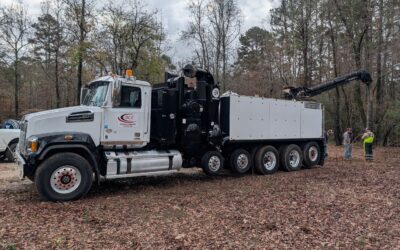
Certain specialized construction methods, such as directional drilling, require additional safety considerations. Directional drilling is the practice of drilling non-vertical bores, used to access resources like oil and gas or to install underground utilities such as pipes and cables with minimal surface disruption. This trenchless technique involves creating a pilot hole in a desired arc, then reaming it to the required size to pull in the final product. Its main advantages include less environmental impact and preservation of existing infrastructure, especially in urban areas.
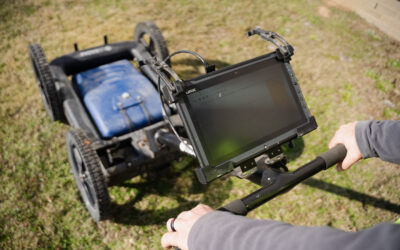
Projects like these, along with utility locating, demand rigorous adherence to construction safety protocols to protect workers and prevent costly accidents.
Practical Job Site Safety Tips for Year-End
Staying safe during the year-end rush doesn’t require slowing down, it requires working smarter. Here are a few job site safety tips that make a difference during this busy period:
Plan Ahead: Review all tasks before starting work and identify potential risks tied to weather or equipment.
- Monitor Fatigue: Encourage frequent breaks and rotate shifts to prevent exhaustion-related mistakes.
- Inspect Equipment Daily: Cold weather can affect machinery performance; inspect tools and vehicles before use.
- Communicate Clearly: Maintain open communication between crew members, supervisors, and subcontractors.
- Document Safety Checks: Keeping accurate logs supports both accountability and long-term improvements.
Leadership’s Role in Reducing Construction Site Accidents
Strong leadership is the backbone of reducing construction site accidents. Supervisors set the tone by prioritizing worker well-being over speed. Effective leadership includes:
- Holding regular safety meetings and training sessions
- Rewarding compliance and addressing violations promptly
- Empowering workers to report unsafe conditions without fear of retaliation
When crews feel supported, they’re more likely to identify hazards early, preventing accidents before they occur.
Building a Culture of Safety Beyond Deadlines
Safety doesn’t end when the calendar turns. The lessons learned during the year-end rush can set the tone for the next year’s operations. Companies that consistently maintain construction safety protocols not only protect their people but also improve efficiency, reduce costs, and strengthen their reputations. At Randy Carter Construction, safety is more than a checklist, it’s a commitment woven into every aspect of our work. From planning to project completion, we prioritize practices that keep our teams, clients, and communities safe all year long.
If you’re preparing for a demanding year-end construction project, trust the professionals who never compromise on safety. Contact Randy Carter Construction today to learn more about our safe, reliable, and precision-driven construction services across Arkansas.