Underground pipelines are critical infrastructure that support everything from water distribution and gas delivery to fiber optics and wastewater management. While these systems are mostly out of sight, they should never be out of mind—especially when it comes to maintaining their safety, reliability, and longevity.
Following proper pipeline safety protocols combined with consistent maintenance strategies is essential to preventing system failures, avoiding safety hazards, and ensuring uninterrupted service. This article outlines the key practices that every utility operator, contractor, and facility manager should implement for long-term pipeline performance.
Why Pipeline Safety Protocols Matter
Pipeline safety protocols are established procedures designed to reduce the risk of damage, contamination, leaks, or failure in underground utility systems. These protocols guide everything from planning and installation to monitoring and emergency response.
Failing to follow these safety measures can result in:
- Expensive emergency repairs
- Environmental contamination
- Service outages for communities or businesses
- Injury or fatalities for workers or the public
- Fines from regulatory agencies
By putting safety first, organizations protect both infrastructure and people—while minimizing operational costs over time.
Key Components of Pipeline Safety Protocols
1. Pre-Construction Planning and Utility Locating
Before any digging, trenching, or directional drilling takes place, it’s vital to locate and mark all existing utilities. This step helps prevent unintentional strikes that can damage pipes or disrupt service.
Best practices include:
- Calling 811 or local utility notification services before excavation
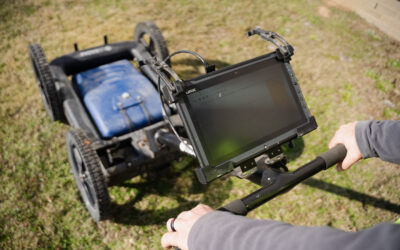
- Using Ground Penetrating Radar (GPR) and electromagnetic detection tools
- Reviewing updated utility maps and historical records
- Documenting and flagging locate results clearly on-site
Locating is not a one-time task—ongoing verification should occur throughout the project.
2. Proper Installation Techniques
Installation errors can compromise pipeline safety from day one. To ensure longevity, all materials, connections, and installation techniques must meet code requirements and manufacturer specifications.
Installation safety protocols include:
- Using appropriate bedding materials to prevent pipe shifting
- Ensuring correct pipe slope and alignment
- Pressure testing new lines before activation
- Avoiding sharp bends or improper backfilling
Well-installed pipelines experience fewer failures and are easier to maintain over time.
3. Routine Inspections and Monitoring
Regular inspections are critical for identifying issues early—before they escalate into major failures. Maintenance schedules should be based on pipeline age, material, usage, and environmental conditions.
Inspection methods may include:
- CCTV camera inspections for internal assessment
- Acoustic monitoring to detect flow anomalies
- Smart sensors for leak detection and pressure changes
- External visual inspections for surface signs of stress or failure
Advanced technologies make it easier than ever to spot weak points and implement targeted repairs.
4. Scheduled Cleaning and Maintenance
Over time, pipelines accumulate debris, mineral deposits, corrosion, or biological growth that can reduce efficiency or lead to blockages.
Common pipeline maintenance methods:
- Hydro jetting: High-pressure water jets to clear buildup
- Pigging: Mechanical tools (“pigs”) that scrub pipe interiors
- Chemical treatments: To prevent or dissolve internal corrosion
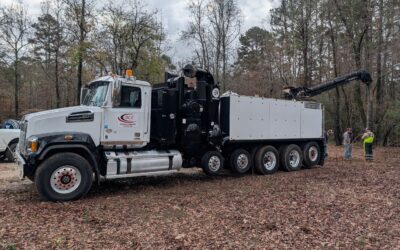
- Rodding and vacuuming: Especially in sewer or stormwater systems
Regular cleaning improves flow efficiency and extends service life.
5. Corrosion Prevention and Cathodic Protection
Corrosion is one of the leading causes of pipeline deterioration, especially in metal-based systems like gas or water lines.
Preventative measures include:
- Applying protective coatings and linings
- Installing cathodic protection systems to redirect corrosion-causing currents
- Using corrosion-resistant materials in corrosive environments
- Monitoring systems with ultrasonic testing or corrosion sensors
Preventing corrosion is far more cost-effective than dealing with structural failure.
6. Emergency Preparedness and Response Planning
Even with the best protocols in place, unexpected events can occur. Having a response plan ensures quick, safe, and organized action when leaks or breaks happen.
Pipeline safety protocols should include:
- Emergency shutdown and isolation procedures
- Communication plans for notifying stakeholders or the public
- Evacuation protocols for gas or hazardous material leaks
- Access to repair tools and rapid-response contractors
Practicing these procedures in drills can improve real-world outcomes when time is critical.
7. Recordkeeping and Compliance
Documentation is a vital yet often overlooked aspect of pipeline maintenance. Detailed records ensure regulatory compliance, support warranty claims, and assist in long-term planning.
Recommended recordkeeping practices:
- Logging all inspections, cleanings, repairs, and tests
- Storing utility maps with GPS coordinates
- Recording any incidents or anomalies
- Maintaining schedules for future maintenance and upgrades
Digital asset management tools and GIS software can simplify tracking and data access.
Long-Term Benefits of Safety and Maintenance
Adhering to proper pipeline safety protocols and maintenance routines offers a range of long-term benefits:
- Reduced likelihood of unexpected failures
- Lower operating costs due to fewer emergency repairs
- Longer lifespan for pipeline assets
- Improved public and worker safety
- Better compliance with industry and environmental regulations
Most importantly, it allows utilities and contractors to build a reputation for reliability and professionalism.
Partner with Experts Who Prioritize Pipeline Safety
At Randy Carter Construction, we understand that underground utility systems are only as strong as the protocols that support them. Our team follows industry-leading pipeline safety protocols to ensure every installation, inspection, and maintenance project meets the highest standards of safety and performance.
Whether you’re managing municipal systems, industrial lines, or private utilities, we’re here to help you protect your infrastructure—today and for the future.
📞 Call us at (501) 626-2801 or 📧 email info@randycarterconstruction.com to schedule a consultation or learn more about our pipeline safety and maintenance services.