Accurate excavation is critical for protecting underground infrastructure and avoiding costly delays. As more cities and companies in Arkansas invest in construction and utility upgrades, the need for precise site data has never been greater. That’s where ground penetrating radar (GPR) comes in.
At Randy Carter Construction, we rely on GPR to enhance safety, streamline excavation, and reduce the risk of utility strikes across our projects. Here’s how this technology is changing the game in 2025 and why it’s become an essential tool on Arkansas job sites.
What Is Ground Penetrating Radar?
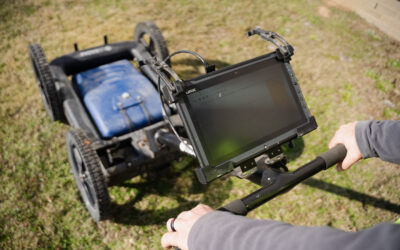
Ground penetrating radar is a non-invasive scanning technology that uses high-frequency radio waves to detect objects below the surface. It works by sending pulses into the ground and measuring the signals that bounce back when they encounter buried materials.
Unlike older detection methods that only identify metal, GPR can detect a wide range of materials, including:
- Plastic pipes
- Concrete structures
- Rock layers
- Voids or cavities
- Fiber optic lines
This versatility makes it ideal for complex job sites where multiple types of infrastructure may be present.
Why Ground Penetrating Radar(GPR) Matters in 2025
Construction projects face tighter safety regulations, stricter utility coordination rules, and growing demand for minimal environmental disruption. Ground penetrating radar supports all of these goals by providing a fast, reliable way to scan beneath the surface before excavation begins.
According to the Federal Highway Administration, GPR is widely used in transportation and utility projects to locate buried infrastructure and assess site conditions.
For projects in growing areas like Benton, Conway, and Little Rock, GPR helps contractors avoid surprises and stay on schedule, especially when working in areas with limited documentation of existing utilities.
5 Key Benefits of Using Ground Penetrating Radar
1. Increased Safety for Crews and Equipment
Striking an unknown utility line can put workers at serious risk. GPR helps identify those hazards in advance, allowing excavation crews to dig with confidence and avoid damage to electrical, gas, or communication lines.
2. Better Accuracy Than Traditional Methods
While maps and records are helpful, they’re not always reliable or up to date. Ground penetrating radar offers real-time results based on what’s actually in the ground—not just what was planned or documented decades ago.
3. Faster Project Timelines
With immediate on-site results, GPR eliminates the guesswork that often slows down excavation. There’s no need to wait for third-party data or delay digging due to uncertainty. Crews can move forward with a clear understanding of what lies beneath the surface.
4. Cost Savings from Fewer Delays and Repairs
Avoiding utility strikes doesn’t just protect people—it protects your budget. Emergency repairs, fines, and rescheduling can quickly drive up project costs. Using GPR as part of your planning helps keep those risks low.
5. Supports Environmentally Responsible Work
Digging into unknown areas can disrupt tree roots, soil layers, and water runoff systems. GPR helps identify these features before work begins so crews can adjust their approach and minimize environmental impact.
Frequently Asked Questions About Ground Penetrating Radar
How accurate is GPR?
Ground penetrating radar is highly accurate, often pinpointing underground utilities and structures within a few inches. Accuracy can vary depending on soil type, moisture, and material density, but for excavation projects in Arkansas, GPR consistently provides the precision needed to avoid costly mistakes.
What are the benefits of ground penetrating radar?
The biggest benefits of ground penetrating radar are improved safety, faster excavation timelines, and reduced costs. By detecting utilities, voids, and buried structures before digging, GPR helps contractors and property owners avoid dangerous utility strikes and expensive delays.
What are the benefits of a GPR survey?
A GPR survey gives project managers a detailed map of what’s beneath the surface—without digging. This survey can identify pipes, cables, voids, and other underground features. For homeowners, developers, or municipalities in Arkansas, this means peace of mind knowing excavation can move forward safely and efficiently.
What is GPR in excavation?
In excavation, ground penetrating radar is used to scan the site before digging begins. It detects utilities and hidden obstacles, ensuring compliance with safety regulations and reducing the risk of accidents. At Randy Carter Construction, we use GPR to keep projects on schedule and protect both crews and infrastructure.
GPR in Action at Randy Carter Construction
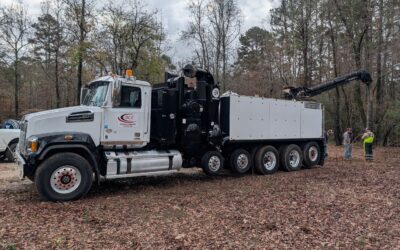
At Randy Carter Construction, we incorporate ground penetrating radar into many phases of our projects. Whether it’s locating sewer lines, mapping underground water infrastructure, or verifying safe dig zones on municipal sites, our team uses GPR to work smarter not harder.
We coordinate closely with local utility providers and engineers to ensure GPR results are integrated into excavation plans. This not only improves safety but also speeds up the entire construction timeline.
Building Smarter with Better Technology
Ground penetrating radar has become a standard part of modern construction for good reason. In 2025, the most successful projects are those that prioritize precision and proactive planning.
If your next utility or excavation project in Arkansas demands accuracy and efficiency, GPR is a tool you can’t afford to skip—and Randy Carter Construction is ready to put it to work for you.
Call (501) 626-2801 or email info@randycarterconstruction.com to schedule a consultation or learn how we integrate ground penetrating radar into our excavation services across Arkansas.