Directional drilling is a highly effective trenchless technology that offers precise underground utility installation with minimal surface disruption. In high-stakes environments like hospitals, educational campuses, and commercial facilities, minimizing downtime during construction is not just a preference—it’s a necessity.
When traditional excavation methods threaten to interrupt operations, delay schedules, or pose safety hazards, directional drilling offers a streamlined, cost-effective alternative. This article explores how directional drilling supports continuous operations while meeting complex underground infrastructure needs.
What Is Directional Drilling?
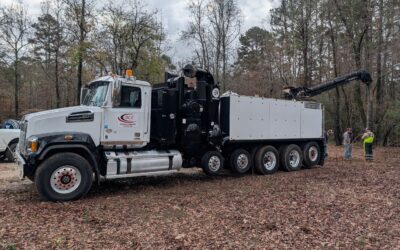
Directional drilling—also known as horizontal directional drilling (HDD)—is a trenchless method of installing utilities beneath the surface without extensive digging or open trench excavation. By using a steerable drilling head and precise tracking technology, contractors can bore underneath structures, roads, and landscaped areas, then pull in utility lines such as water, gas, electrical, or fiber-optic cables.
This method is especially useful in areas where surface access is limited or critical operations cannot be disrupted.
Why Downtime Is Critical to Avoid
For healthcare facilities, schools, and businesses, operational continuity is essential. Hospitals rely on uninterrupted access for emergency vehicles and power for life-saving equipment. Schools must maintain safe, distraction-free environments for students. And businesses depend on consistent access and communication to serve clients and maintain productivity.
Traditional open-trench excavation can block entrances, sever existing utilities, and require temporary shutdowns—leading to major service delays, revenue loss, and logistical challenges. Directional drilling provides a safer, faster, and more efficient option to avoid these risks.
Key Benefits of Directional Drilling in Sensitive Facilities
Minimal Surface Disruption
Because directional drilling only requires small entry and exit pits, most of the surface area remains untouched. Roads, sidewalks, landscaping, and facility access points are preserved, eliminating the need for costly restorations and keeping normal traffic and pedestrian flow intact.
Reduced Construction Time
Directional drilling can be completed in significantly less time compared to traditional methods. There’s no need to dig, brace, refill, and repave large trenches—allowing contractors to complete utility installations and repairs faster and with fewer weather-related delays.
Quiet, Clean Operation
This method generates less dust, debris, and noise—making it ideal for environments where cleanliness and quiet are required. In hospitals and schools, minimizing noise pollution and maintaining hygienic conditions are key priorities that directional drilling helps address.
Precision Installation Around Existing Infrastructure
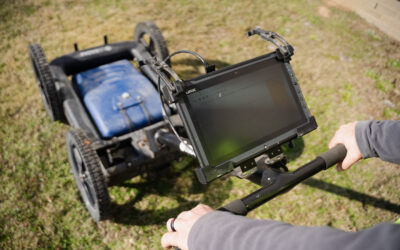
Advanced tracking technology allows for accurate steering around existing utilities or underground obstacles. This avoids accidental utility strikes and reduces the risk of outages, service interruptions, and safety incidents.
Cost-Efficient for Complex Projects
While the upfront cost of directional drilling can be higher than traditional trenching, the long-term savings on surface restoration, downtime, and rework often make it the more economical choice—especially for projects in developed or densely populated areas.
Common Applications for Directional Drilling in Critical Facilities
- Hospitals: Installing backup generators, fiber-optic systems, or new water lines without disrupting emergency access routes
- Schools: Upgrading telecom or power infrastructure beneath courtyards, athletic fields, or main driveways without interrupting classes
- Businesses: Connecting to city water, sewer, or fiber lines beneath parking lots or active workspaces with zero operational shutdown
A Smarter Solution for Modern Infrastructure Needs
As public and private institutions continue upgrading and expanding their infrastructure, choosing the right construction methods is critical. Directional drilling offers a forward-thinking approach that balances performance, safety, and minimal disruption—especially for sites that cannot afford downtime.
Whether you’re installing new utilities or upgrading aging systems, this trenchless technology supports your operational goals while protecting your day-to-day functionality.
Plan Ahead with Confidence
Randy Carter Construction specializes in directional drilling and underground utility solutions for high-priority, time-sensitive environments. Our experienced team uses industry-leading technology and best practices to ensure safe, accurate, and non-disruptive installations that meet your schedule and budget.
Contact us today at (501) 626-2801 or email info@randycarterconstruction.com to learn more about how our trenchless solutions can keep your facility running while getting the job done right.
Let us help you build smarter, safer, and with less disruption.