Commercial buildings rely on chiller loop systems to maintain comfortable indoor environments, protect critical equipment, and support efficient operations. Over time, even the most advanced systems experience wear, reduced performance, and rising energy costs. Deciding whether to repair or replace a system can be challenging. Understanding the signs, benefits, and long-term implications of chiller loop upgrades ensures commercial HVAC efficiency remains high and operational costs stay under control.
Signs Your Chiller Loop System Needs Attention
Older or poorly maintained chillers may present a variety of warning signs that indicate it’s time for maintenance or an upgrade:
- Frequent breakdowns or recurring error messages
- Uneven cooling or insufficient capacity in certain zones
- Rising energy bills despite consistent building usage
- Corrosion, leaks, or worn mechanical parts
- Noise or vibration issues in the chiller or associated pumps
Ignoring these signs can lead to unexpected downtime, increased repair costs, and decreased comfort for building occupants. Proactive evaluation is key to maintaining reliable building cooling systems.
Repair vs. Replace: Making the Right Choice
Repairing a chiller loop system is often the first step for minor issues, especially if the equipment is relatively new or has been well-maintained. Routine commercial chiller maintenance can restore efficiency, fix leaks, and prevent small problems from escalating into costly emergencies. Repairs may include replacing worn valves, cleaning coils, balancing flow rates, or updating sensors and controls.
Replacing a system becomes necessary when repairs are frequent, parts are unavailable, or the equipment is nearing the end of its lifespan. Consider replacement if:
- Equipment is over 15–20 years old
- Frequent repairs are interrupting building operations
- Replacement parts are obsolete or difficult to source
- Energy inefficiency is driving operating costs higher than expected
Upgrading to modern energy-efficient HVAC solutions can significantly improve building performance, lower energy bills, and align with sustainability goals for commercial properties.
Benefits of Chiller Loop Upgrades
Upgrading your chiller loop systems offers multiple advantages for both facility managers and building occupants:
- Enhanced commercial HVAC efficiency, providing consistent cooling throughout the facility
- Lower energy consumption and reduced operating costs
- Increased system reliability and fewer unexpected shutdowns
- Integration with smart building controls for optimized energy management
- Improved compliance with modern energy and building codes
Investing in upgrades now can save time, money, and headaches down the road while supporting long-term operational goals.
Planning for a Successful Upgrade
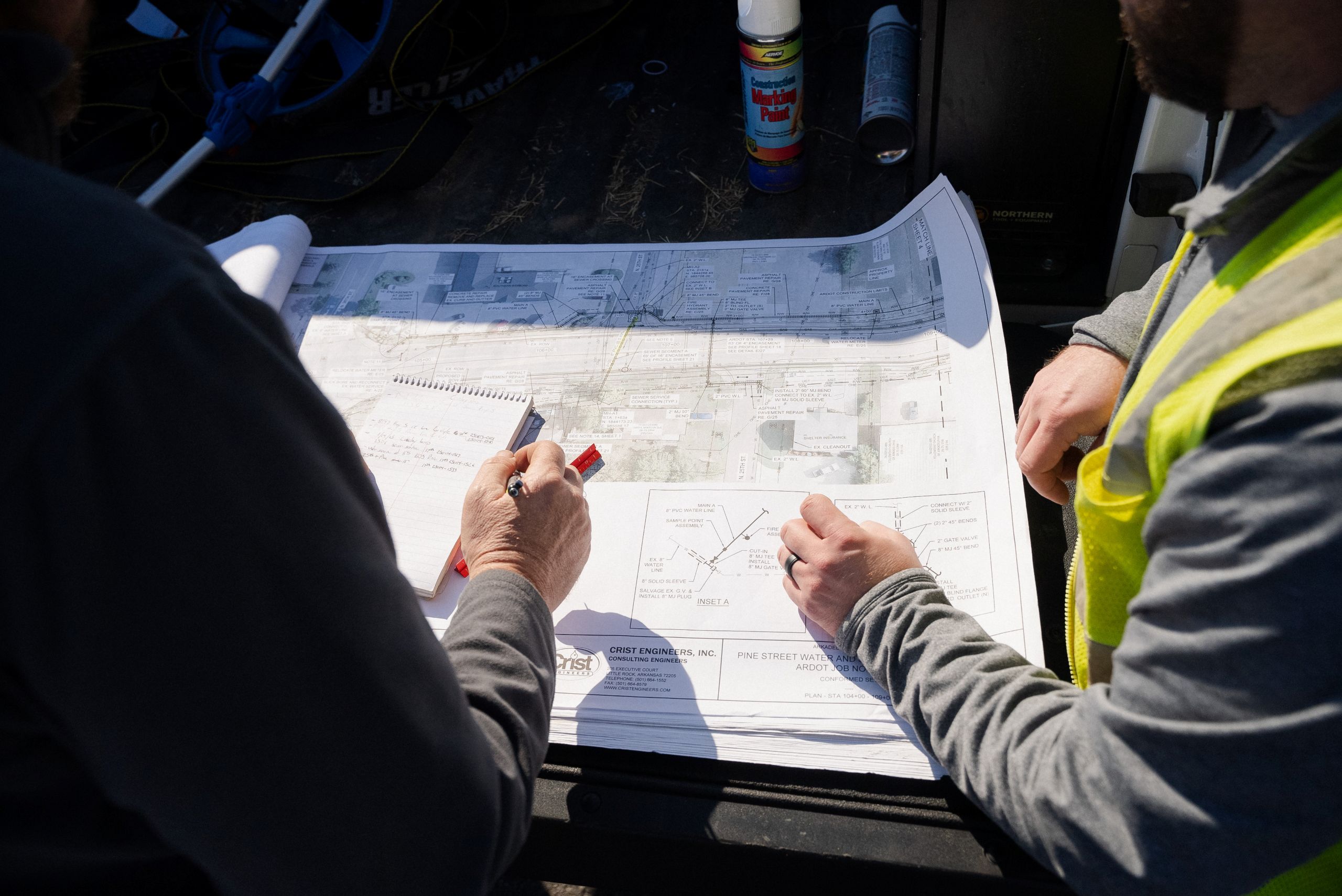
A smooth chiller loop upgrade requires careful planning. Start by assessing your current building cooling systems to identify deficiencies or aging components. Partner with experts to determine whether a partial upgrade or full system replacement is the most effective option.
Consider the following steps:
- Conduct a detailed energy audit to measure efficiency losses
- Review current system layout and compatibility with new technology
- Schedule downtime strategically to minimize disruption to building operations
- Implement commercial chiller maintenance before and after installation for peak performance
Thorough planning ensures that your investment delivers the expected benefits while maintaining comfort for tenants or employees during the upgrade process.
The Role of Energy Efficiency and Sustainability
Modern chiller loop systems offer advanced features that support energy-conscious building management. Variable-speed drives, heat recovery options, and smart control software allow building cooling systems to adjust automatically based on load demands. These upgrades improve commercial HVAC efficiency, reduce energy waste, and support sustainability initiatives, a growing priority for businesses in 2025 and beyond.
By pairing chiller loop upgrades with ongoing commercial chiller maintenance, facilities can enjoy long-term savings, reduced downtime, and reliable system performance.
Partner with Experts
Choosing the right partner for your chiller loop upgrades is critical. Randy Carter Construction helps commercial clients assess, repair, or replace chillers, ensuring optimal efficiency, safety, and reliability. Our team focuses on delivering energy-efficient solutions tailored to your facility’s needs while minimizing disruptions to daily operations.
Contact Randy Carter Construction today to schedule a consultation and determine the best path forward for your chiller loop system. Protect your building, improve energy efficiency, and ensure comfort for years to come.