Utility work is among the most high-risk sectors in the construction industry. Whether working around live power lines, excavating near gas mains, or handling heavy equipment, utility crews face serious hazards on a daily basis. In 2025, increased regulatory oversight and advanced technology make it more important than ever for contractors to follow essential safety protocols.
At Randy Carter Construction, safety is the foundation of everything we do. Here’s a look at the ten most important safety measures utility contractors should implement to protect their crews, clients, and surrounding communities.
1. Conduct Daily Jobsite Hazard Assessments
Before any work begins, crews should complete a jobsite-specific hazard assessment. This includes identifying underground utilities, assessing weather-related risks, and recognizing traffic or pedestrian concerns. Reviewing potential hazards every morning ensures that teams remain alert and prepared.
2. Use Ground Penetrating Radar and Utility Locating Tools
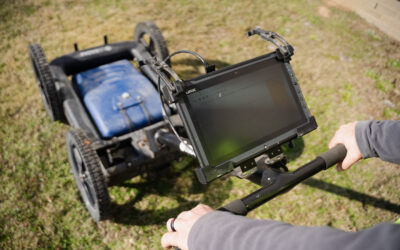
Modern utility work relies heavily on subsurface detection technology. In 2025, ground penetrating radar and GPS utility mapping help reduce the risk of striking unknown lines. Incorporating these tools as part of your essential safety protocols can prevent accidents, service disruptions, and legal consequences.
3. Maintain Proper PPE Standards
Personal protective equipment (PPE) continues to be a non-negotiable safety measure. Workers must wear the right gear for the task, including hard hats, flame-resistant clothing, eye protection, and steel-toe boots. Contractors should also provide fall protection gear and high-visibility vests when required.
4. Implement Traffic Control and Work Zone Signage
Utility work often happens along roadways or in public areas. Proper barricades, flagging teams, and warning signage are critical to protect both workers and passing drivers. A clearly marked work zone reduces confusion and keeps traffic flowing safely around the site.
5. Train and Certify All Equipment Operators
From backhoes to trenchers, utility contractors rely on heavy equipment to get the job done. Every operator should be trained, certified, and familiar with the manufacturer’s safety guidelines. Contractors should regularly assess operator competency and ensure machines are well-maintained.
6. Establish an Emergency Response Plan
Despite all precautions, accidents can still happen. Having a clear emergency response plan is a key part of essential safety protocols. This includes procedures for electrical shock, gas leaks, equipment rollover, and trench collapse. All crew members should know who to call, what to do, and where emergency equipment is located.
7. Follow Trenching and Excavation Guidelines
Working in or around trenches is one of the most dangerous aspects of utility work. OSHA standards require proper benching, sloping, or shielding to prevent collapses. Crews should inspect trench walls daily and avoid working in unprotected areas deeper than 5 feet without a trench box or appropriate system.
8. Hold Regular Toolbox Talks
Toolbox talks are short, focused safety meetings that help reinforce best practices. Hosting these discussions regularly allows teams to review protocols, address recent near misses, and stay aligned on safe behaviors. It’s an easy, effective way to maintain a culture of safety on site.
9. Monitor Air Quality in Confined Spaces
Utility crews often enter manholes, vaults, or tunnels, places where toxic gases or lack of oxygen may be present. Air monitoring devices should be used before and during entry into confined spaces, along with proper ventilation and rescue procedures.
10. Promote a Safety-First Culture from the Top Down
Safety starts with leadership. Contractors must set the tone by making it clear that safety is the highest priority on every job. This means allocating resources to training, maintaining open lines of communication, and holding everyone accountable, from supervisors to new hires.
Safety Isn’t Optional
In 2025, clients, regulators, and insurers expect more from utility contractors when it comes to jobsite safety. By following these essential safety protocols, contractors reduce downtime, avoid costly incidents, and most importantly, protect lives.
At Randy Carter Construction, we treat safety as a shared responsibility. Whether we’re handling utility upgrades, infrastructure projects, or emergency repairs, our team is trained, equipped, and committed to delivering results without compromising safety.
Call (501) 626-2801 or email info@randycarterconstruction.com to learn more about how we prioritize safety on every utility project we take on in Arkansas.