Winter brings unique challenges for construction projects, especially those involving underground utility construction. Cold temperatures, frost, and frozen ground can make excavation and utility installation more difficult and increase safety risks. Proper preparation is key to protecting workers, minimizing delays, and ensuring that projects stay on schedule.
By implementing winter-specific strategies, contractors can maintain productivity and protect both personnel and infrastructure during the colder months.
Assessing Site Conditions Before Work Begins
Before any excavation or utility work starts, it’s important to evaluate the site for winter hazards. Ground conditions can vary significantly depending on frost depth, soil type, and drainage. Conducting a thorough site assessment allows teams to plan appropriate measures for safe operations.
Some key steps include:
- Reviewing soil conditions and identifying areas prone to frost heave
- Checking for water accumulation or ice buildup that could create slippery surfaces
- Ensuring access roads and pathways are clear and safe for equipment and personnel
By identifying potential risks early, contractors can implement strategies to reduce job site hazards and prevent costly delays.
Protecting Equipment and Materials
Cold weather can affect both machinery and construction materials. Hydraulic systems, engines, and electronic controls may respond differently in freezing temperatures. Similarly, pipes, conduits, and other materials can become brittle or difficult to handle.
To safeguard equipment and materials:
- Store sensitive components in heated or insulated areas when possible
- Use winter-grade lubricants and fuels for machinery
- Inspect tools and equipment for signs of wear or damage caused by cold
- Cover or insulate pipes and conduits to prevent frost damage during storage
These precautions ensure that machinery runs smoothly and materials remain in optimal condition throughout the project.
Implementing Safe Excavation Practices
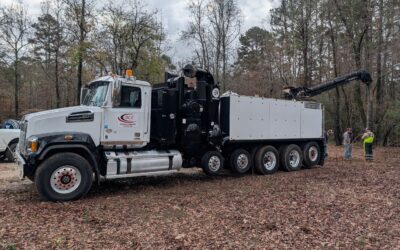
Underground utility construction requires careful planning, especially during winter. Frozen or partially frozen ground can make excavation more challenging and increase the risk of accidental utility strikes. Following safe practices helps reduce incidents and keeps the project on track.
Recommended measures include:
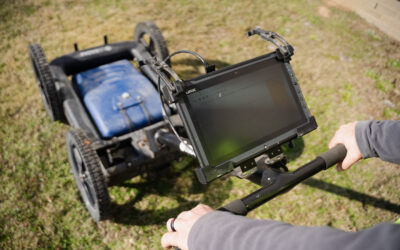
- Using ground-penetrating radar and other utility locating techniques to confirm existing lines
- Applying proper shoring, trench boxes, or protective barriers to prevent collapses
- Allowing additional time for excavation to account for frozen soil
- Maintaining clear communication among team members to coordinate safe operations
These steps are critical for maintaining job site safety tips and ensuring that work is completed efficiently.
Protecting Workers from Winter Hazards
Worker safety is a top priority during winter operations. Exposure to cold temperatures, icy conditions, and extended periods outdoors can lead to injuries or illness. Proper planning and protective measures help maintain a safe work environment.
Best practices for winter safety include:
- Providing appropriate cold-weather gear, gloves, and boots
- Rotating crews to limit prolonged exposure to cold
- Ensuring access to warm shelters and heated break areas
- Training workers to recognize symptoms of hypothermia or frostbite
These precautions are essential for reducing construction site accidents and keeping crews healthy and productive.
Maintaining Project Efficiency in Winter
Winter projects may face delays due to weather, but planning and preparation can minimize downtime. Scheduling tasks that are less affected by cold weather, using temporary heaters or enclosures, and maintaining a clear winter workflow help maintain productivity.
By implementing winter-specific strategies, contractors can reduce risks while keeping underground utility construction projects on schedule.
Why Winter Planning Matters
Proper winter preparation not only protects workers and equipment but also preserves the integrity of the underground utilities being installed. Projects completed with winter-ready practices are less likely to experience delays, damage, or costly rework.
Randy Carter Construction works with clients across Arkansas to implement best practices for underground utility construction, even in challenging winter conditions. Our team ensures projects are completed safely, efficiently, and to the highest standards.
Contact Randy Carter Construction today to learn how we can help winter-proof your job site, protect your crew, and maintain productivity no matter the season.