Excavation is a critical part of any underground utility construction project. Choosing the right method impacts safety, efficiency, and cost. Two common options are hydrovac vs traditional excavation with mechanical digging. Understanding the differences between these methods helps contractors, municipalities, and commercial property owners make informed decisions for their projects while maintaining safety, protecting infrastructure, and ensuring reliable outcomes.
What Is Hydrovac Excavation?
Hydrovac excavation uses high-pressure water to loosen soil and a vacuum system to remove it from the site. This non-destructive method allows crews to safely expose underground utilities without risking damage to existing lines. Hydrovac is ideal for projects where accuracy, safety, and minimal disruption are top priorities.
Hydrovac offers several benefits over traditional excavation. It allows crews to work in tight or congested areas, reduces the risk of utility strikes, and provides precise exposure of underground infrastructure. For projects involving directional boring, conduit installation, or complex underground networks, hydrovac is often the preferred solution.
Some key benefits are:
- Accuracy – Crews can precisely expose underground utilities without damaging lines.
- Safety – Reduced risk of utility strikes protects workers and the surrounding infrastructure.
- Versatility – Works in congested or tight spaces where mechanical equipment may be impractical.
- Minimal disruption – Limits impact on landscaping, pavement, or commercial sites.
For projects involving directional boring, conduit installation, or complex underground networks, hydrovac is often the preferred solution. It allows contractors to work efficiently while maintaining high safety standards and protecting existing infrastructure.
How Traditional Excavation Works
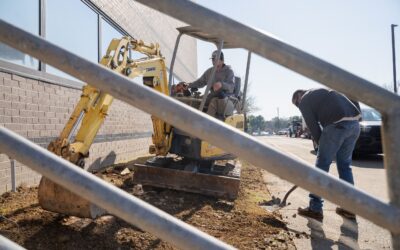
Traditional excavation relies on mechanical equipment such as backhoes, trenchers, or bulldozers to dig soil and access underground areas. While effective for large-scale excavation or open sites, this method carries higher risks of damaging utilities, especially when precise locating is required.
Mechanical excavation is generally faster for removing large volumes of soil but may require additional planning and safety precautions when working near existing pipelines, electrical lines, or telecommunications systems. Traditional excavation can also create more disruption to the surrounding area, which may not be acceptable in commercial or densely developed sites.
Comparing Hydrovac vs Traditional Excavation
When deciding between hydrovac vs traditional excavation, several factors should be considered:
- Safety – Hydrovac reduces the risk of utility strikes and worker injuries, especially in areas with high-density infrastructure.
- Precision – Hydrovac provides clear visibility of underground utilities, making it ideal for directional boring and complex projects.
- Project Scale – Traditional excavation may be more efficient for large-scale digging where precision is less critical.
- Site Conditions – Frozen soil, sensitive landscapes, or congested urban areas favor hydrovac excavation.
- Cost Considerations – Hydrovac may have higher upfront costs, but can save money by preventing utility damage and reducing downtime.
By weighing these factors, contractors can select the excavation method that aligns with project requirements, budget, and safety goals.
Supporting Safe Underground Utility Construction
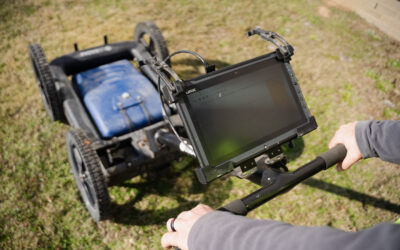
Safety is always a top priority in underground utility construction. Utility locating Arkansas services combined with hydrovac excavation ensure that existing lines are accurately identified and protected. Even experienced crews face challenges when working with traditional digging methods, especially in areas with unknown or poorly documented utilities.
Integrating hydrovac into excavation planning supports safer job sites, protects infrastructure, and improves project outcomes. Crews can safely expose utilities, verify conditions, and proceed with directional boring, pipe installation, or other construction tasks with confidence.
Making the Right Choice for Your Project
The choice between hydrovac vs traditional excavation depends on your project’s priorities. Hydrovac is ideal for accuracy, minimal disruption, and safety, making it the go-to solution for projects in urban areas, commercial sites, or near sensitive infrastructure. Traditional excavation may still be effective for large-scale or open-area projects where speed and volume removal are priorities.
Randy Carter Construction works with clients across Arkansas to provide expert guidance on excavation methods. Our team combines professional utility locating, hydrovac excavation, and traditional digging techniques to meet project goals while maintaining safety, efficiency, and cost-effectiveness.
Contact Randy Carter Construction today to determine which excavation method is right for your project. Protect your utilities, improve project safety, and ensure efficient underground construction from start to finish.