
Arkansas’s Leading Full-Service Underground Utility Contractor
In an industry where even a small mistake can lead to major delays or costly utility damage, experience and attention to detail make all the difference. That’s where we at Randy Carter Construction come in. Randy Carter Construction has built a reputation across Arkansas for delivering dependable, high-quality underground construction solutions. Through directional boring services in Arkansas, hydrovac excavation, underground utility locating, and utility excavation services, we help ensure every project is completed efficiently and without unnecessary risk.
Directional Boring
Underground Utility Construction Services in Arkansas
Randy Carter Construction supports contractors, developers, municipalities, and large-scale infrastructure projects with dependable underground solutions. From initial planning to final installation, our team is equipped to handle complex site conditions while maintaining safety and efficiency.
Whether the project requires precision drilling, non-destructive digging, or accurate utility identification, we provide the expertise needed to keep work moving forward. Explore our core services below to see how we support every phase of underground construction.
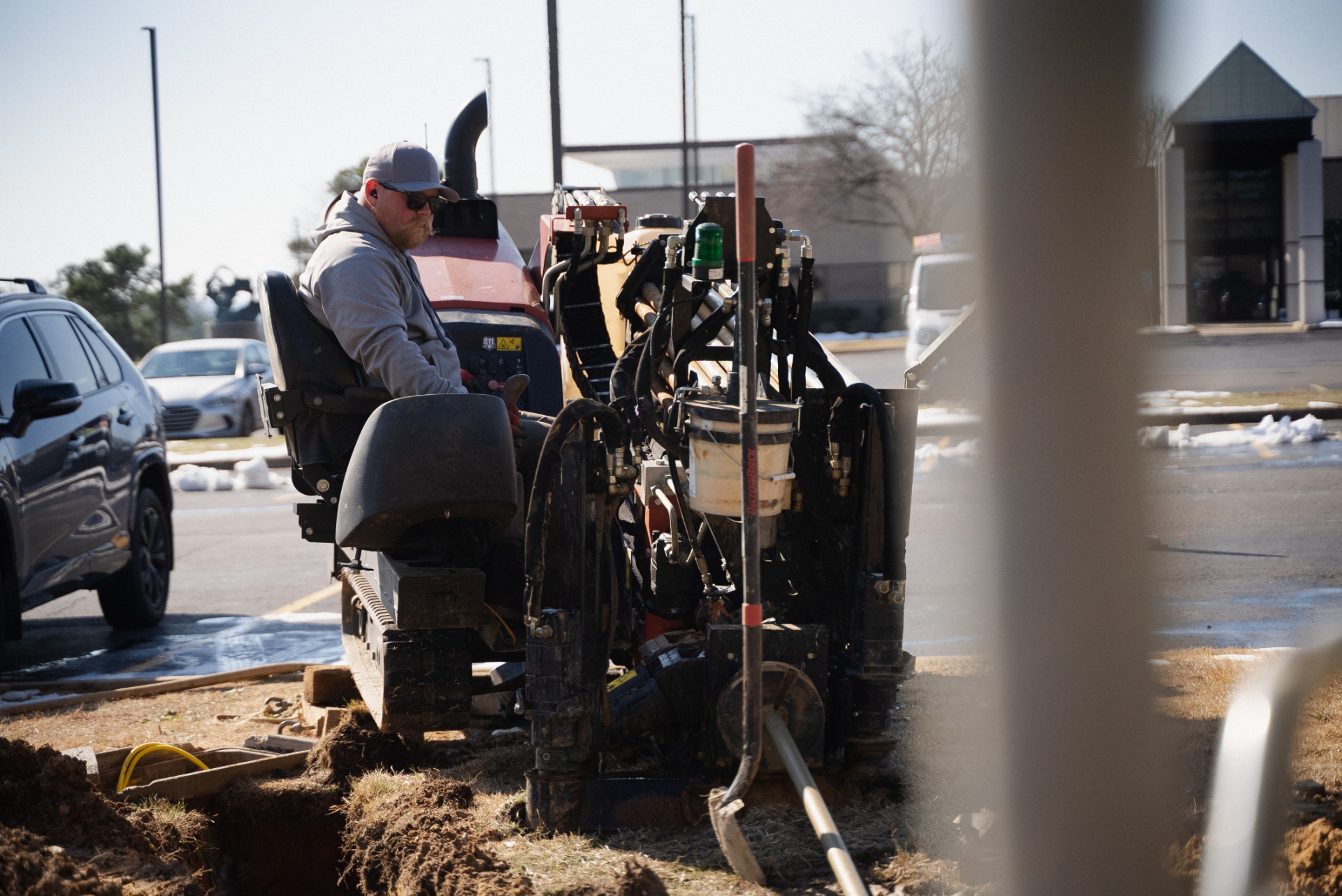
Directional Boring Services
Installing underground utilities requires careful planning, especially in areas where surface disruption can impact daily operations. Traditional trenching methods, while widely used, often create significant challenges for construction projects. Open excavation can lead to road damage, landscape disruption, and traffic interruptions that affect surrounding communities and businesses. Common pain points include:
- Road damage that requires costly repairs
- Landscape disruption that affects property appearance and usability
- Traffic interruption that impacts local access and safety
- Longer project timelines due to excavation and restoration work
Directional boring offers a more efficient solution by allowing underground utilities to be installed without the need for open trench excavation. As experienced directional boring contractors Arkansas residents rely on, we offer a trenchless approach that supports faster, cleaner installations with minimal surface disruption. Using advanced HDD drilling services that Arkansas teams trust, projects move forward while preserving existing infrastructure and maintaining normal traffic flow, making trenchless utility installation projects in Arkansas more practical and cost-effective. These methods are widely used to install critical utilities such as:
- Fiber optic cables
- Gas lines
- Sewer pipes
- Water infrastructure
- Electrical Conduits
Hydrovac Excavation
Hydrovac excavation is a non-destructive digging method that uses high-pressure water to break up soil, followed by vacuum extraction to remove the loosened material. This process allows for controlled soil removal without disturbing surrounding areas or damaging nearby structures. As one of the most relied on hydrovac excavation services in Arkansas, we provide a precise way to expose underground utilities while maintaining the integrity of the job site.
Contractors choose hydrovac over traditional methods of excavation because of the added precision and safety it provides. This method is especially effective when working near buried utilities, where even small mistakes can lead to costly damage or service disruptions.Common applications include:
- Potholing utilities
- Exposing buried infrastructure
- Excavation in tight or sensitive areas
Underground Utility Locating
Before any excavation begins, identifying existing underground utilities is critical in preventing serious safety and financial risks. Without accurate underground utility locating services, crews may unknowingly strike gas lines, damage fiber optic cables, or expose electrical hazards. Randy Carter Construction is one of the leading contractors of underground utility locating services in Arkansas, which ensures that projects move forward safely while protecting both workers and essential infrastructure.
Professional private utility locating Arkansas services use advanced technology to accurately detect and map underground systems before digging begins. Technicians rely on tools such as electromagnetic locating equipment and ground penetrating radar to identify buried lines, then mark their locations clearly on the surface. Common utilities identified through this process include:
- Gas lines
- Electrical cables
- Telecom lines
- Water and sewer infrastructure
Underground Utility Excavation
While trenchless methods like directional boring are effective for many projects, there are still situations where traditional excavation is necessary. We perform excavation when installing new infrastructure, repairing damaged underground utilities, or upgrading existing municipal systems, such as new water or sewer lines. Certain conditions, such as limited access, depth requirements, or complex layouts, make excavation the most practical and efficient solution.
What is
Directional Boring?
Directional boring is a trenchless construction method used to install underground utilities without digging long open trenches. Instead of cutting through the surface, contractors drill beneath it, allowing utilities to be placed with minimal disruption. This method is commonly used to avoid damaging roads, landscaping, and existing infrastructure.
The process works by drilling a guided path underground using specialized equipment, often referred to as Horizontal Directional Drilling (HDD). Once the path is created, it is widened, and the utility line is pulled through the bore. Directional boring can reach varying depths depending on project needs, soil conditions, and equipment capabilities. It is commonly used to install utilities such as sewer pipes and gas lines.
Directional Boring vs Trenching
Contractors often compare directional boring and trenching when planning underground utility projects because each approach impacts the job site differently. Key considerations include surface disruption, project speed, environmental impact, and overall cost. While some projects benefit from traditional excavation, others require a more controlled approach to avoid damaging existing infrastructure or delaying timelines.
| Method | Surface Disruption | Ideal Uses |
|---|---|---|
| Directional Boring | Minimal | Roads, landscaping, rivers |
| Trenching | Higher | Open construction sites |
Hydrovac Excavation vs Traditional Digging
Traditional excavation equipment, such as backhoes and trenchers, can pose significant risks when working near buried utilities. Mechanical digging relies on force, which increases the likelihood of striking gas lines, electrical cables, or communication infrastructure.
Hydrovac offers a more precise and controlled alternative to traditional excavation. When evaluating hydrovac vs traditional excavation Arkansas projects often benefit from, the advantages are clear. Hydrovac uses pressurized water and vacuum extraction to safely expose utilities without damaging them. This approach supports precision excavation, allows crews to work safely around buried infrastructure and reduces overall project risk.
Why Utility Locating Is Required Before Excavation
Excavation projects come with strict legal and safety requirements, making it essential to identify underground infrastructure before any digging begins. Contractors must follow local regulations and safety standards to prevent accidents and protect critical utility systems. Working with an underground utility locator Arkansas contractors rely on helps ensure that all existing lines are properly identified and marked, reducing the risk of serious incidents on the job site.
Why Contractors Choose Randy Carter Construction
Contractors across Arkansas choose Randy Carter Construction for proven experience, reliable performance, and a strong commitment to safety on every project. With years of hands-on work in underground utility construction, our team understands the challenges that come with complex job sites and tight timelines. Our team is equipped with specialized tools and technology to handle everything from precise drilling to accurate locating. Randy Carter Construction directional boring services are designed to minimize disruption while maintaining efficiency, as we bring a safety-first approach, dependable scheduling, and the expertise needed to support projects across the state.
Industries That Use
Directional Boring
& Utility Excavation
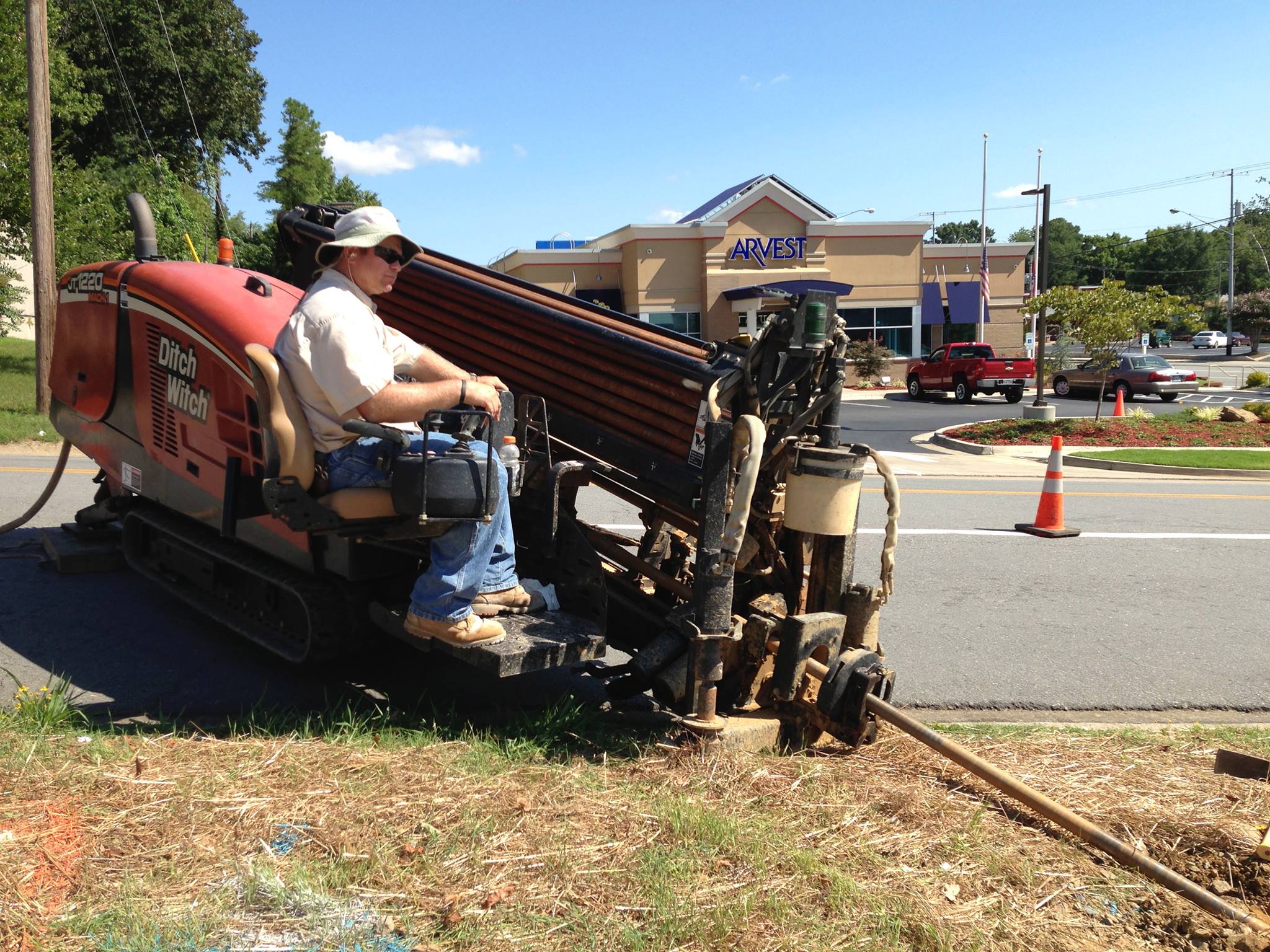
Directional boring and utility excavation play a critical role across multiple industries that depend on reliable underground infrastructure. Telecommunications companies use these services to install fiber optic networks without disrupting roads or existing developments. Energy utilities also depend on these methods for installing gas lines and electrical systems safely and efficiently.
In simple terms, industries that use directional boring services include commercial builders, residential developers, and energy providers. These sectors rely on trenchless and excavation solutions to install and maintain essential utilities while minimizing surface disruption.
Planning an Underground
Utility Installation Project
Contractors can expect a structured, step-by-step process designed to keep projects organized, efficient, and safe from start to finish. It typically begins with a site inspection to evaluate conditions, access points, and any potential challenges. This is followed by utility locating to identify existing underground infrastructure and prevent conflicts during excavation. From there, the project moves into planning, where timelines, methods, and logistics are clearly outlined before installation begins. After the work is completed, a final inspection ensures everything meets safety standards and project specifications.
Contractors often have questions about timelines, permits, and site preparation. Timelines vary depending on project size and conditions, while permits are typically coordinated during the planning phase. Site preparation may include clearing access areas, marking utilities, and ensuring safe working conditions before excavation begins.
Safety in Underground Construction
Professional contractors take a proactive approach to preventing accidents during excavation by combining planning, technology, and strict safety standards. One of the most important steps is accurate utility locating, which identifies underground lines before any digging begins. Throughout the project, teams follow established safety compliance protocols to protect workers, infrastructure, and surrounding communities, ensuring that every phase of the job is completed safely and efficiently.
FAQs
Frequently Asked
Questions
Can directional boring go under roads or rivers?
Yes. Directional boring is specifically designed to install utilities beneath obstacles like roads, rivers, driveways, and existing infrastructure without disturbing the surface. This makes it an ideal solution for projects where maintaining normal traffic flow and protecting surrounding areas is important.
How long does directional boring take?
The timeline depends on the length, depth, soil conditions, and complexity of the project. Smaller installations can often be completed in a day or two, while larger or more complex projects may take several days. Proper planning and utility locating help keep projects on schedule.
Is hydrovac excavation safer around utilities?
Yes. Hydrovac excavation is considered one of the safest methods for working around buried utilities. It uses pressurized water and vacuum extraction to expose lines without damaging them, reducing the risk of utility strikes, injuries, and service disruptions.
How accurate is underground utility locating?
Professional underground utility locating is highly accurate when performed with the right equipment and expertise. Contractors use tools such as electromagnetic locators and ground penetrating radar to detect and map utilities, followed by clear surface markings to guide excavation.
What permits are needed for installing underground utilities?
Permit requirements vary depending on the project location and scope. Most projects require approvals from local municipalities, utility providers, and sometimes state agencies.
Ready to Break Ground?
Let’s Build It Together
Schedule Your Project
Every project follows a structured process to ensure efficiency and safety. It begins with site inspection, followed by utility locating to identify underground infrastructure. Planning outlines timelines, permits, and logistics before installation begins. After completion, a final inspection ensures quality and compliance.
Timelines vary depending on project size and conditions, while permits are typically coordinated during planning. Proper site preparation ensures safe and efficient execution from start to finish.