
Arkansas’s Premier Underground Utility Construction Company
Underground utility construction is complex and high-risk, requiring precision, planning, and the ability to avoid costly utility damage. A single miscalculation can damage critical infrastructure, delay timelines, and drive up project costs. Randy Carter Construction brings decades of field-tested expertise to every job site, delivering directional boring services in Arkansas, hydrovac excavation, underground utility locating, and utility excavation services that protect existing systems while keeping projects on schedule.
Utility Construction
Underground Utility Construction Services in Arkansas
From municipal water systems to large-scale fiber networks, Randy Carter Construction partners with contractors, developers, municipalities, and infrastructure teams across the state. From initial site preparation to final installation, our team delivers precision, safety, and efficiency on every project.
The four core services below show how our team supports underground utility construction at every stage:
Directional Boring services in Arkansas
Hydrovac Excavation
Underground Utility Locating
Utility Excavation Services
Directional Boring Services
Open trench excavation can wreak havoc on a project. Torn-up roadways, ruined landscaping, snarled traffic, and timelines stretched well beyond original estimates are common consequences of conventional digging. These issues increase costs and create unnecessary disruption for surrounding communities and businesses.
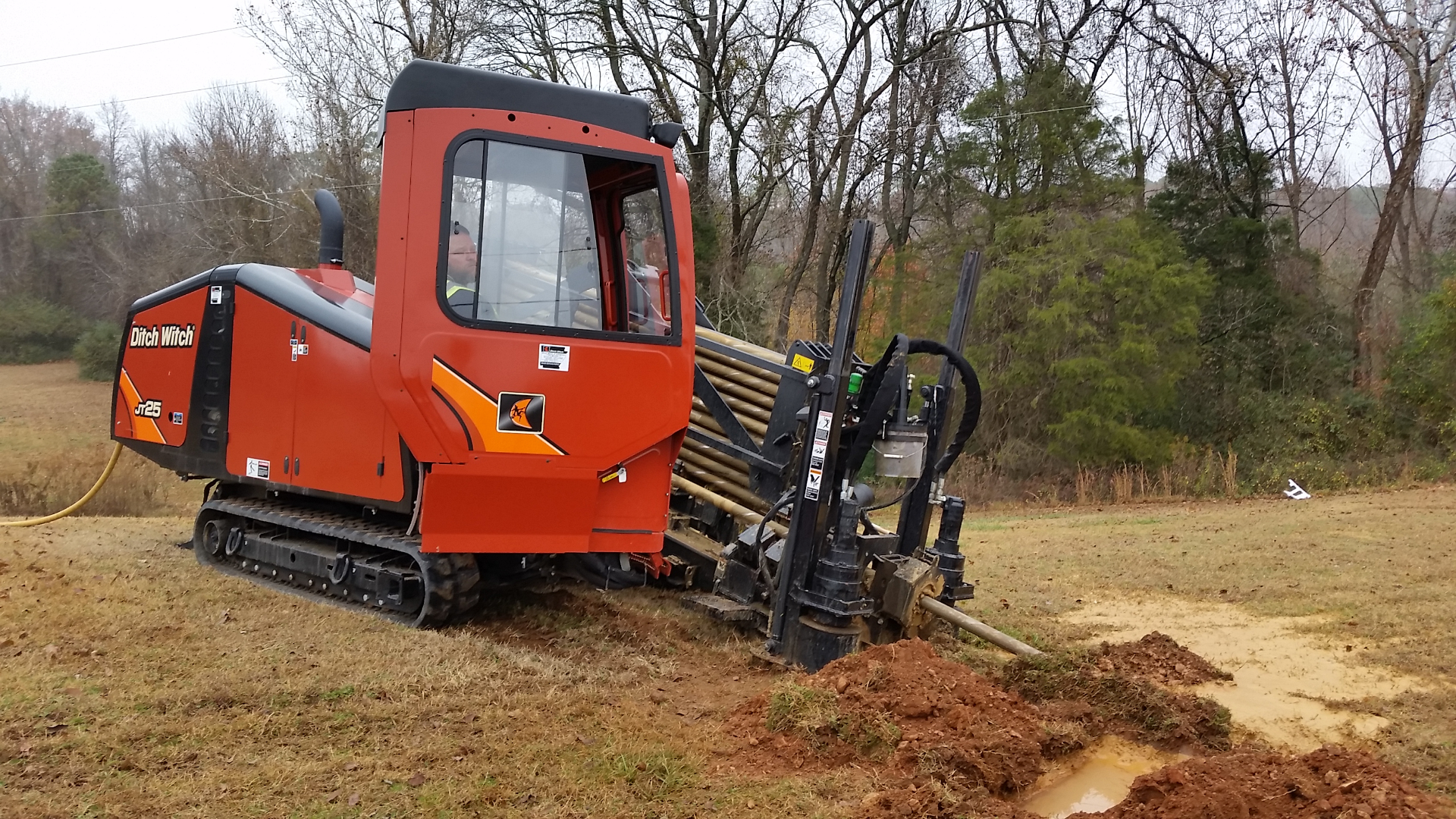
Directional boring provides a more efficient solution by allowing underground utilities to be installed without open trench excavation. As trusted directional boring contractors Arkansas communities depend on, we install utilities beneath the surface without breaking ground along the entire route. With advanced HDD drilling services Arkansas companies rely on, trenchless utility installation in Arkansas becomes a faster and more cost-effective option.
Common utilities installed using directional boring include:
- Fiber optic cables
- Gas lines
- Sewer pipes
- Water infrastructure
- Electrical conduit
Hydrovac Excavation
Hydrovac excavation is a non-destructive digging method that uses high-pressure water to break up soil, followed by vacuum extraction to remove debris. The water breaks up the earth while the vacuum lifts away debris, leaving buried utilities exposed and untouched. For job sites packed with sensitive infrastructure, hydrovac excavation services in Arkansas offer a level of control that mechanical equipment simply cannot match.
The advantages over traditional digging are significant. Hydro excavation Arkansas crews can work safely within inches of live gas lines, fiber bundles, and electrical conduit, dramatically reducing the chance of strikes, ruptures, or service interruptions. This method improves job site safety while minimizing costly repairs and delays.
Common applications include:
- Potholing utilities
- Exposing buried infrastructure
- Excavation in tight/sensitive areas
Underground Utility Locating
Before any excavation begins, identifying underground infrastructure is essential to prevent serious risks. Strike a gas line and crews face evacuations, fines, and potential injuries. Sever a fiber bundle and entire neighborhoods lose service. Damage an electrical cable and workers face life-threatening hazards. The underground utility locating services Arkansas projects depend on prevent these scenarios before a shovel ever hits the ground.
Our private utility locating Arkansas process combines electromagnetic detection equipment with ground penetrating radar to map subsurface networks with confidence. These systems are then clearly marked on the surface to guide excavation and drilling work.
Utilities commonly identified include:
- Gas lines
- Electrical cables
- Telecom lines
- Water and sewer infrastructure
Underground Utility Excavation
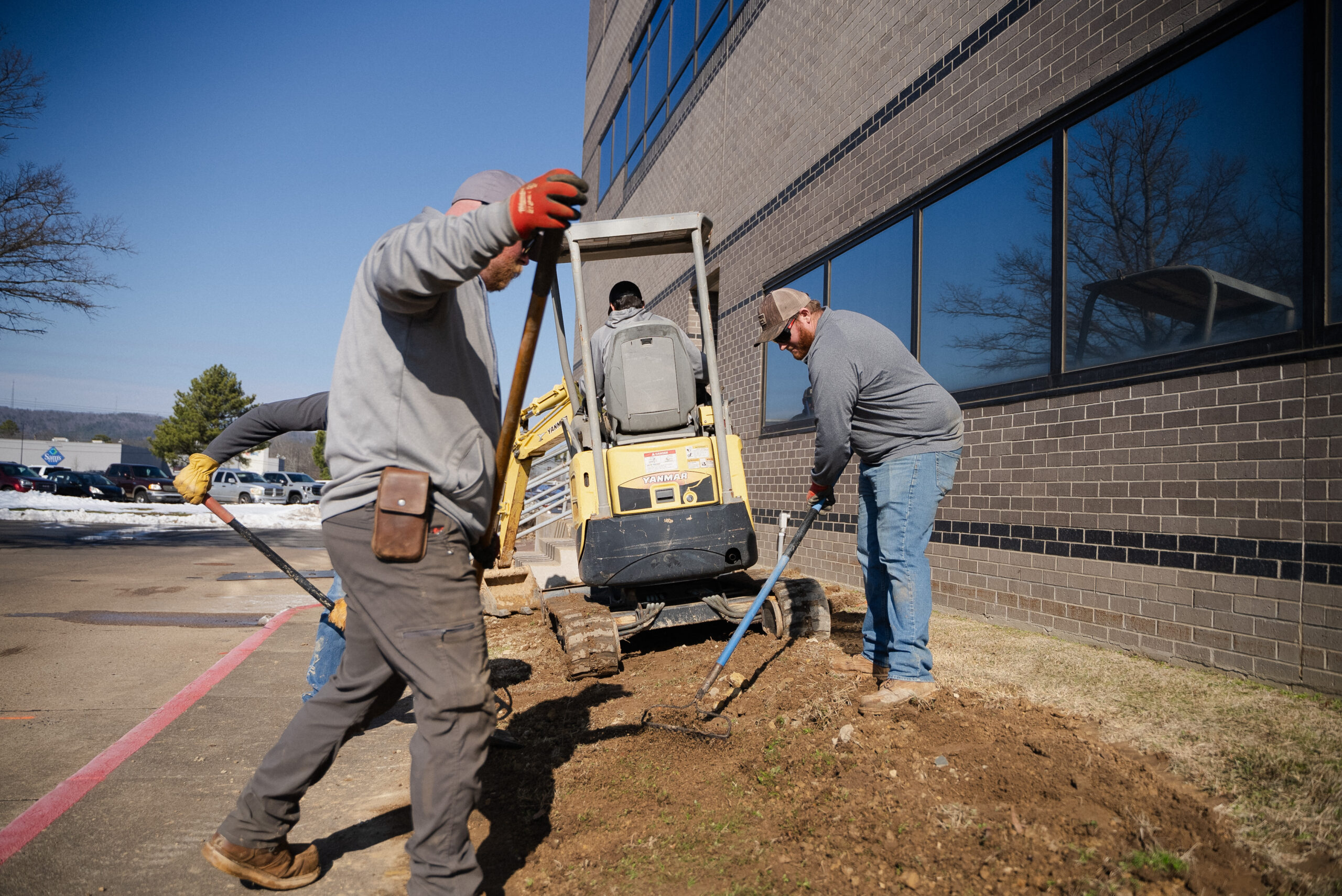
While trenchless methods are effective for many projects, excavation is still necessary in certain situations. As an underground utility excavation contractor Arkansas clients rely on, we bring the same disciplined approach to open trench work that defines every other service we offer.
Experienced utility excavation contractors Arkansas teams trust know exactly when to dig and how to do it safely. Our crews combine careful planning, accurate locating, and proper techniques to keep excavation projects moving without compromising worker safety or surrounding infrastructure.
Common applications include:
- Water line installation
- Sewer line installation
- Electrical conduit placement
- Infrastructure upgrades
What is
Directional Boring?
Directional boring, often called horizontal directional drilling or HDD, is a trenchless construction technique that allows utility installation without digging continuous open trenches. Instead of disturbing the surface, contractors drill beneath it, which means roads stay intact, landscaping survives, and surrounding infrastructure remains undisturbed.
The process involves drilling a guided path underground, expanding the bore, and pulling utility lines through the opening. Directional boring can reach varying depths depending on the project and soil conditions. It is commonly used to install water lines, gas lines, fiber optic cables, and electrical conduit.
Common applications include:
- Roads
- Driveways
- Rivers
- Landscaping
- Sidewalks
Hydrovac Excavation vs Mechanical Digging
Hydrovac excavation offers a safer and more controlled approach for exposing underground utilities, especially when potholing and daylighting are required. Instead of relying on heavy equipment, this method uses pressurized water and vacuum systems to carefully uncover lines, allowing crews to verify locations without risking damage. This level of precision is essential when working around water, sewer, and gas lines where accuracy directly impacts safety and project success.
In addition to improved safety, hydrovac minimizes surface disruption and reduces overall project risk. Crews can work efficiently in tight or sensitive areas where traditional excavation would be too aggressive or impractical. By limiting damage to surrounding surfaces and maintaining better control over the excavation process, hydrovac helps keep projects on schedule while protecting both infrastructure and the job site environment.
The Importance of Underground Utility Locating Before Digging
Skipping the locate phase is one of the most expensive shortcuts a contractor can take. Working with an underground utility locator that Arkansas contractors trust helps ensure compliance while reducing the risk of accidents and project delays. Working with an underground utility locator Arkansas crews recognize as reliable turns locating from a procedural checkbox into a genuine safeguard.
Modern private utility locating Arkansas providers deploy ground penetrating radar, electromagnetic locators, and detailed surface markings to chart what lies beneath. These methods provide the accuracy needed to safely perform directional drilling under roads, driveways, and existing pipelines.
Why Contractors Choose Randy Carter Construction
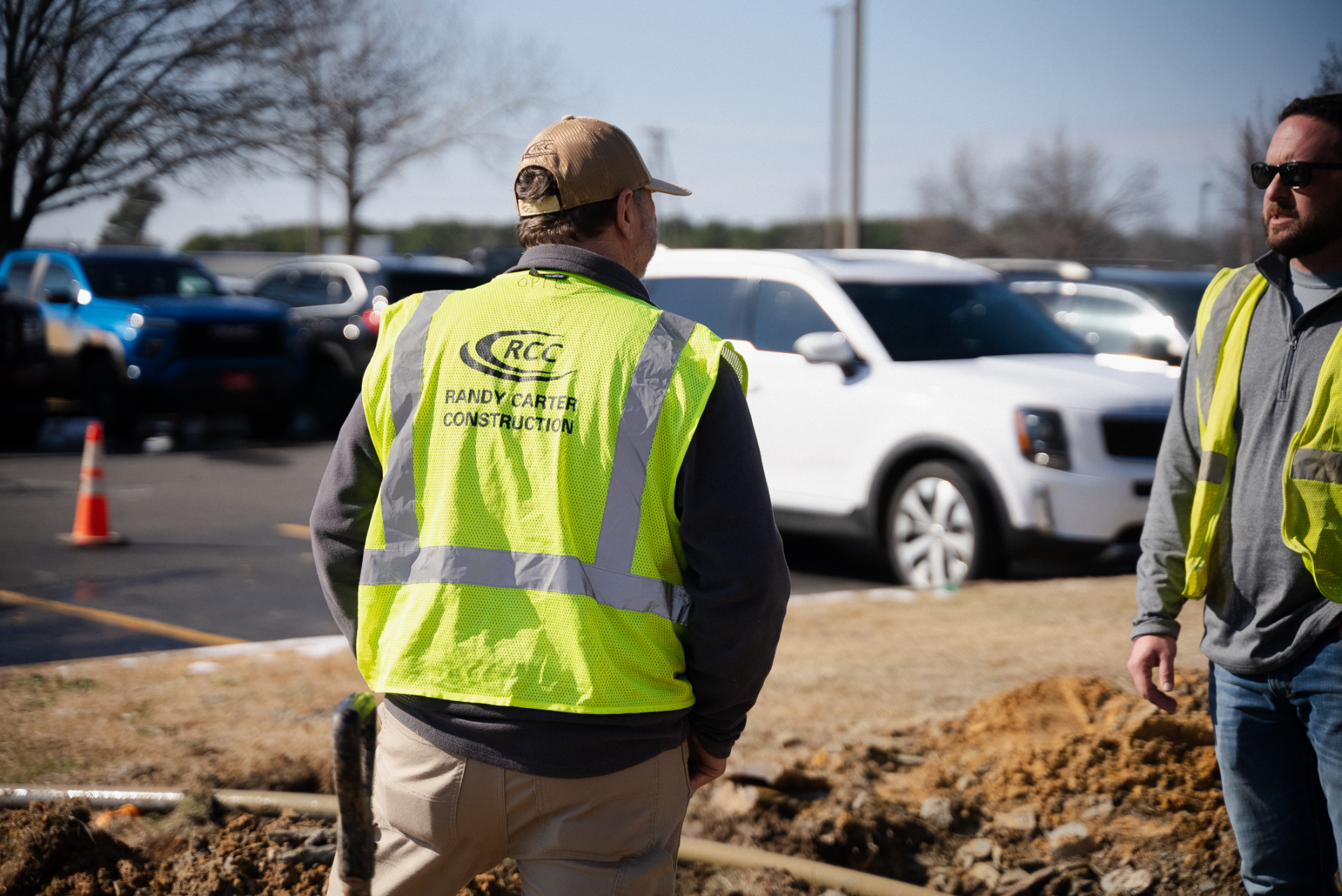
Reputation in this industry is earned one project at a time. Randy Carter Construction has spent years building ours through disciplined execution, transparent communication, and a refusal to cut corners on safety. Our team brings extensive experience in underground construction, supported by specialized equipment and a strong safety-first culture.
Randy Carter Construction directional boring services and Randy Carter Construction utility locating solutions are designed to reduce risk and leave lasting impact on our community. We hold ourselves to the same standard from the first survey to the final walk-through.
Industries That Use
Directional Boring
& Utility Excavation
Underground utility work touches nearly every sector that depends on modern infrastructure. Directional boring and utility excavation are essential across multiple industries. Telecommunications companies use these services for fiber installation, municipalities rely on them for infrastructure upgrades, and commercial construction projects depend on them for utility installation. Residential developments and energy utilities also require underground solutions for safe and efficient operations.
Planning an Underground
Utility Installation Project
Every project follows a structured process to ensure efficiency and safety. It begins with site inspection, followed by utility locating to identify underground infrastructure. Planning outlines timelines, permits, and logistics before installation begins. After completion, a final inspection ensures quality and compliance.
Project length depends on scope, soil conditions, and site complexity. Permitting is typically handled during the planning phase, and thorough site preparation sets the stage for efficient, predictable execution.
Safety in Underground Construction
Preventing accidents during excavation requires careful planning and the right techniques. Contractors rely on utility locating, hydrovac exposure, and trenchless installation to reduce risks.
Excavation safety contractors Arkansas infrastructure commonly rely on, including the team at Randy Carter Construction, follow strict OSHA standards, internal safety protocols, and ongoing crew training.The goal is straightforward: every worker goes home, every utility stays intact, and every community we serve remains protected throughout the project.
Service Areas in Arkansas
Randy Carter Construction serves Benton, Little Rock, Conway, Hot Springs, Fayetteville, Springdale, and surrounding communities. Our crews mobilize across Arkansas to support projects of every scale, bringing the same standard of quality, safety, and reliability to every site we work.
FAQs
Frequently Asked
Questions
Can directional boring install utilities under roads, rivers, or driveways?
Yes. Directional boring allows utilities to be installed beneath obstacles without disturbing the surface, making it ideal for areas where excavation would cause disruption. This method is commonly used to maintain traffic flow, protect landscaping, and avoid costly restoration work while still completing underground installations safely and efficiently.
How long does a typical directional boring project take?
Project timelines vary based on size and complexity but typically range from one day to several days. Smaller projects can often be completed within a day, while larger or more technical installations may take several days to complete.
Is hydrovac excavation safer than traditional digging near utilities?
Yes. Hydrovac provides precise, non-destructive excavation that reduces damage risk. This
approach improves job site safety by allowing crews to expose utilities with precision before continuing with excavation or installation work.
How accurate is underground utility locating?
Professional locating services are highly accurate using advanced detection technology. These tools allow technicians to detect and map underground utilities with pinpoint accuracy, helping crews avoid accidental infrastructure damage and maintain safe working conditions throughout the project.
What permits are required for underground utility installation in Arkansas?
Permits vary by location and project scope but typically include municipal and utility approvals.
When is traditional excavation necessary instead of trenchless methods?
Excavation is required for certain installations, repairs, or upgrades where trenchless methods are not suitable. It is often used for repairs, system upgrades, or projects that require full access to underground infrastructure.
Request a Quote
for Directional Boring or Utility Excavation
If you are planning an upcoming project, Randy Carter Construction provides directional boring services in Arkansas, hydrovac excavation, underground utility locating, and underground utility excavation to help you complete work safely and quickly.